Map of Cozumel
I remember the first time I stood on the corner of Avenida 5 and Calle 2. I had a paper map that was already wilting in the humidity and a look of total confusion on my face. A local man on a scooter slowed down, pointed at my map, and just laughed. He didn’t do it to be mean. He did it because he knew what I was about to learn. Cozumel is a place that makes perfect sense once you stop trying to navigate it like a city back home.
After living here for fifteen years, the island has become a part of me. I have seen the population grow and the streets get busier. I have watched the jungle get pushed back a little further each year to make room for new homes. But the soul of the place remains. Most people just call it Cozumel, but the official name is San Miguel de Cozumel. It is a distinction that matters to the people who live here.
When you are planning a trip, a map is your best friend. But not just any map. You need a guide that understands the difference between a tourist trap and a local treasure. I have spent the last few weeks looking at every map of Cozumel I could find for a project I am working on. Most of them are fine, but they lack the nuance of a lived life. They show you where the roads are, but they do not tell you which road has the best carnitas at three in the afternoon.
The Logic of the Grid
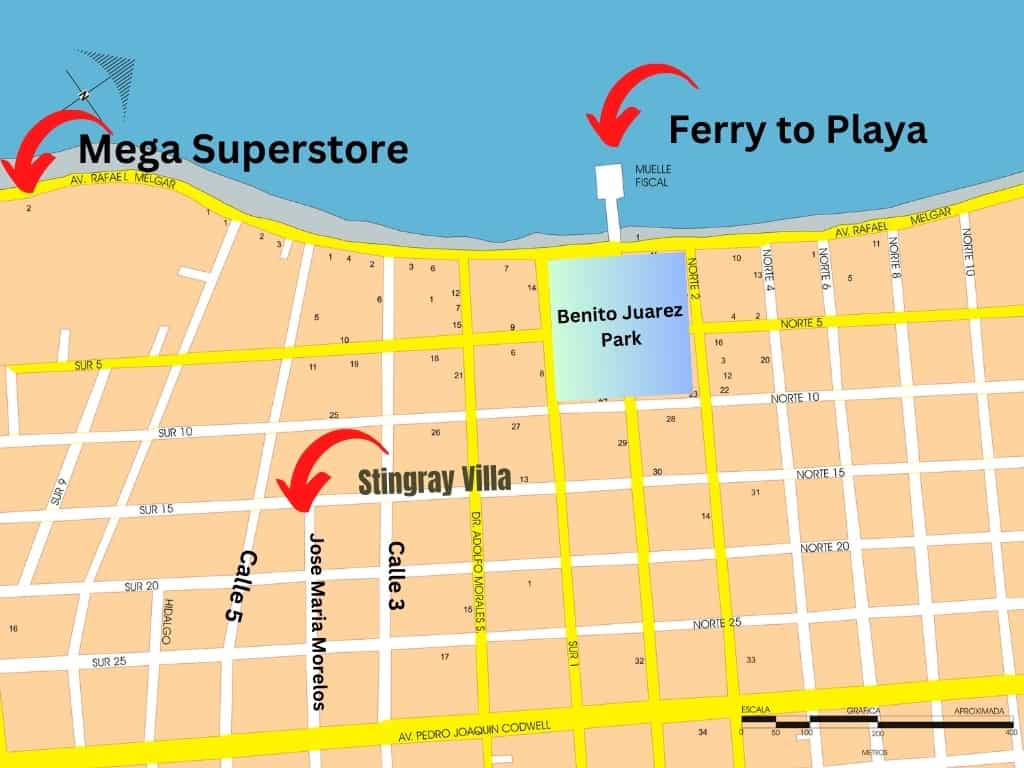
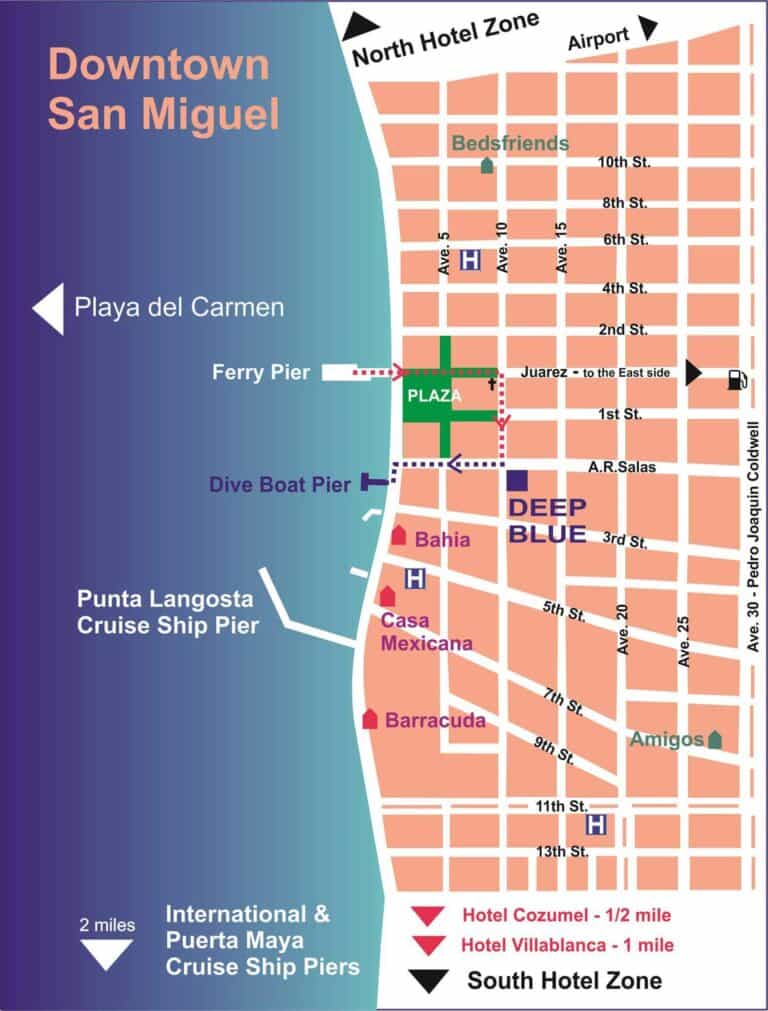
The first thing you have to understand about San Miguel is the street system. It feels like a math puzzle at first, but it is actually brilliant. Most of the town is laid out on a grid. The streets, or calles, run east-west. If you are north of the main drag, Avenida Benito Juárez, the streets have even numbers. If you are south of it, they have odd numbers.
Then you have the avenues, or avenidas. These run north-south, parallel to the ocean. They increase by five as you move away from the water. So, you start at the waterfront with Rafael E. Melgar, then move inland to 5th, 10th, 15th, and so on.
Once you get the hang of it, you can never truly get lost. If you are on 30th Avenue and want to go to the beach, just head west until the numbers start going down. If you are looking for a specific shop on Calle 3, you know exactly which side of the main plaza it is on. Avenida Benito Juárez is the heart of it all. We call it the Transversal because it cuts right across the island to the other side. It is the road that leads you away from the noise and toward the quiet.
Getting Around Without the Stress
Navigating this island is remarkably easy if you know the rules of the road. If you are staying in the center of San Miguel, your own two feet are usually enough. The sidewalks are built for strolling, though you should keep an eye out for the occasional loose tile or a stray scooter.
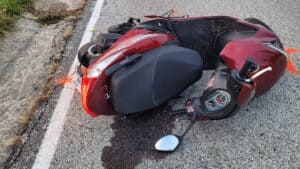
For anything further out, you have choices. You can rent a car, a Jeep, or a scooter. I usually tell my friends to be careful with the scooters. They are fun and feel like the ultimate island cliché, but traffic can be unpredictable. If you aren’t used to riding one back home, Cozumel is not the place to learn.
Taxis are everywhere. They are the lifeblood of the island. The rates are fixed, which takes the stress out of the ride. You will see big signs at the taxi stands listing the prices to different zones. It is always a good idea to confirm the price with the driver before you pull away from the curb. Just a quick “How much to the ferry?” is all it takes.
We don’t really have a major bus system for tourists, but we do have colectivos. These are white vans that locals use to get from their neighborhoods to the center of town. They are cheap and efficient, but they can be a bit intimidating if your Spanish is rusty. For most people in their 40s or 50s, a rental car or a taxi is the way to go. It gives you the freedom to stop when you see a beautiful view, and trust me, you will see plenty of them.
Where to stay on the Cozumel map
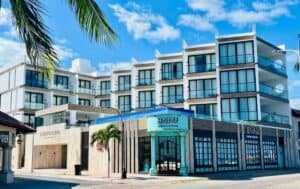
Choosing where to stay is the biggest decision you will make. It sets the tone for your whole trip. Some people want the big all-inclusive resorts where you never have to carry a wallet. Others want a quiet villa where they can cook their own breakfast and listen to the birds.
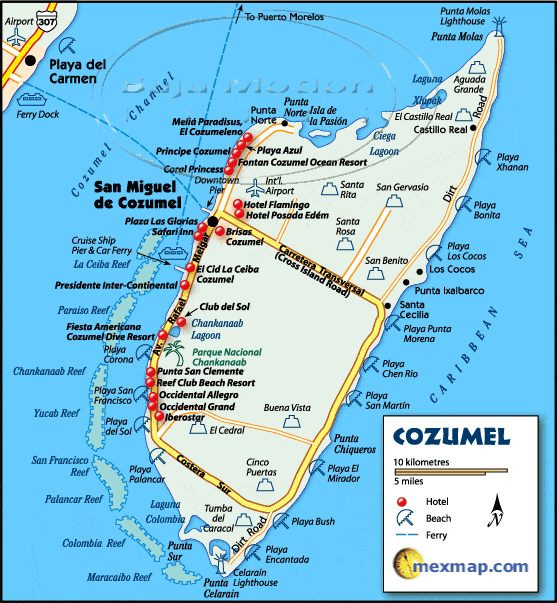
On the map, you will see the hotels clustered in three main areas. There is the North Zone, which is usually a bit quieter and has some older, more established properties. Then there is the South Zone, which is closer to the best reefs and is a favorite for divers. Finally, you have the downtown area. This is where you stay if you want to be in the thick of it. You can walk to the best restaurants, hear the music from the plaza, and feel the pulse of the island.
I often recommend staying a few blocks back from the waterfront. You get a much more authentic experience. You get to see the kids playing soccer in the street and hear the neighbors chatting over their fences. It feels less like a vacation and more like a life.
The Three Ports to the Island
If you are coming to Cozumel on a cruise ship, you will land at one of three piers. Each one has a different personality.
First, there is Puerta Maya. This is the big one, south of town. It is owned by Carnival, and it feels like a mini city. It has its own shops and bars, but it is a bit of a trek to get to the real San Miguel.
Just north of that is the International Pier. This is where Royal Caribbean usually docks. It is a bit closer to town, but it still requires a short taxi ride to reach the main plaza.
Then there is Punta Langosta. This is my favorite pier for visitors because it drops you right in the heart of downtown. You walk off the ship, through a shopping mall, and you are standing on the main street. You can be at a great restaurant or a local coffee shop in five minutes.
Where the Locals Eat
Eating in Cozumel is an adventure in itself. You have the waterfront places with the big signs and the even higher prices. Some of them are great, but the real magic happens a few blocks inland.
Look for the small, family-run places. These are the spots where the menu might be written on a chalkboard, and the grandma is in the back making the tortillas by hand. If you see a place crowded with locals at lunch time, that is where you want to be.
The seafood is, as you would expect, incredible. Look for “Pescado a la Veracruzana” or fresh ceviche. If you are feeling brave, try the habanero salsa, but start with a tiny drop. It doesn’t play around.
There are also great grocery stores if you are staying in a place with a kitchen. Chedraui and Mega are the big ones. They have everything you could possibly need, from fresh local fruit to imported cheeses. It is actually fun to walk through them just to see the different products. It is a great way to spend an hour when you need a break from the sun.
The Underwater World
You cannot talk about Cozumel without talking about the water. It is the reason most people come here. The reefs are part of the Mesoamerican Barrier Reef System, and they are spectacular.
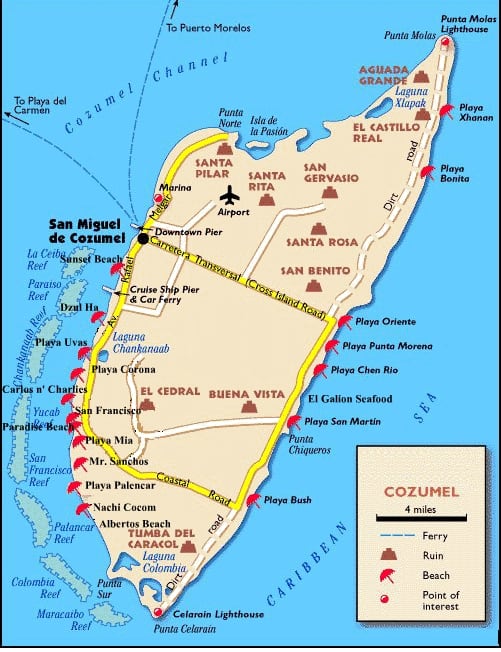
Palancar Reef is the one everyone knows. It is like an underwater garden. The coral formations are huge, and the water is so clear it feels like you are floating in the air. It is perfect for both divers and snorkelers.
Columbia Reef is another favorite, especially if you like seeing bigger fish. I have seen sea turtles there that were as big as coffee tables. It is a humbling experience to share the water with a creature that old and that calm.
If you aren’t a diver, don’t worry. There are plenty of places where you can just walk into the water with a mask and fins. Paradise Reef is great for this. You will see schools of colorful fish just a few yards from the shore. It is a low-stress way to see the beauty of the Caribbean.
For something truly unique, check out El Cielo. The name means “Heaven,” and it lives up to it. It is a shallow, sandy area where the water is a brilliant shade of turquoise. The bottom is covered in giant starfish. You can’t touch them, of course, but just looking at them is enough.
The Cozumel Map Streets
Calles (streets) run East and West. If they are north of Avenida Benito Juárez, they are even numbered. If they are south of Juarez, they are odd-numbered.
Avenidas (Avenues) run North and South. One block east of Melgar is 5th Avenida, and they increase by 5 as you venture east by block. The label of Avenidas south of Benito Juarez is “SUR,” and the label of those north of Benito Juarez is “NORTE.”
Avenida Benito Juárez runs through the center of town all the way to the other side of the island and is also called the “Transversal.”
The Wild Side of the Island
Most people spend their whole trip on the west side of the island because that is where the hotels and the calm water are. But you have to take a day to drive to the east side. We call it the “Wild Side.”
There is no electricity on that side of the island. The restaurants run on generators, and the wind is constant. The waves are much bigger here, and swimming is not always safe, but the scenery is breathtaking. It is rugged and untouched.
There are a few beach clubs over there, like Punta Morena and Coconuts. Coconuts is perched on a cliff and has one of the best views on the island. It is the perfect place to grab a cold drink and just watch the ocean. It feels miles away from the cruise ships and the jewelry shops of town.
Staying Connected and Safe
I know you need the basics even on vacation. Cozumel has great medical facilities. There are several modern hospitals well equipped to handle everything from a scraped knee to something more serious. Most of the doctors speak excellent English, which is a huge relief when you are feeling under the weather.
Pharmacies are also everywhere. You will see the “Farmacia” signs on almost every block. They carry most things you would find back home, and the pharmacists are very helpful.
If you need cash, stick to the ATMs located inside the banks. Banamex, Scotiabank, and HSBC all have branches in town. It is much safer, and you usually get a better exchange rate than you do with the standalone machines on the street.
Laundromats, or lavanderias, are a lifesaver if you are traveling light. You can drop off a bag of clothes in the morning and pick them up in the afternoon, folded and smelling like sunshine, for just a few dollars. It is one of those small luxuries that make island life so much easier.
The Seaweed Situation
I get asked about the seaweed, or sargassum, all the time. It is a natural phenomenon that happens across the Caribbean. Some days the beaches are pristine, and other days the tide brings in a thick layer of brown algae.
The good news is that Cozumel is an island. If there is seaweed on the east side, the west side is usually clear. There are great online maps and local groups that give daily updates on beach conditions. It is worth checking them before you pack your beach bag. Even on a bad seaweed day, you can always find a beautiful spot to swim if you know where to look.
Why We Stay
People often ask me why I stayed here after my first vacation. It is a hard thing to put into words. It is the way the light hits the water at five o’clock. It is the smell of roasting corn on the breeze. It is a fact that people still stop to say “Buenos dias” even if they don’t know you.
Cozumel has a way of getting under your skin. It is not just a destination; it is a pace of life. It reminds you to slow down. It reminds you that the world is a beautiful place if you just take the time to look.
Whether you are here for the world-class diving or just a quiet place to read a book, the island welcomes you. Once you get that white Cozumel sand in your shoes, you are destined to return. It is a bit of a local legend, but in my experience, it is absolutely true.
So, grab a map. Learn the grid. Eat the street tacos. But most importantly, leave some room for the unexpected. The best parts of Cozumel are the ones you won’t find on any map. They are the moments when you stop looking at the paper and start looking at the horizon.