Overview of Cozumel’s Shipwrecks
Cozumel Island, nestled in the Mexican Caribbean Sea, is a haven for scuba divers seeking thrilling wreck diving experiences. The island is renowned for its crystal-clear waters and vibrant marine life, making it an ideal destination for underwater exploration. Cozumel’s shipwrecks stand out among the many attractions, offering a unique blend of history and marine biodiversity.
The Mexican Navy has played a pivotal role in enhancing Cozumel’s underwater allure by creating artificial reefs. These reefs, formed by intentionally sinking decommissioned ships, provide new habitats for marine life and exciting dive sites for scuba enthusiasts. The C-53 wreck, also known as the Felipe Xicotencatl, and the Navy Patrol Wrecks are prime examples of this initiative.
The C-53, a former minesweeper, was acquired by the Mexican Navy after World War II and later transformed into an artificial reef. Similarly, the Navy Patrol Wrecks, comprising the Laguna de Mandinga and the Laguna de Pátzcuaro, were sunk to create shallow wreck diving experiences. These sites not only attract a diverse array of marine species but also help distribute diver traffic, preserving the natural reefs.
Cozumel’s shipwrecks offer a captivating glimpse into the past while supporting a thriving underwater ecosystem. Whether you’re an advanced diver or a snorkeling enthusiast, these wrecks provide unforgettable adventures in the heart of the Caribbean Sea.
Cozumel’s 2 Shipwreck Dives: A Deep Dive
Cozumel, Mexico, is famous for diving, and one of the best parts is exploring the Cozumel wreck dive site. The C-53 wreck, the Felipe Xicotencatl, and the 2 Navy Patrol Wrecks are two of the most popular sites. In this post, we will go over the wrecks, their history, the marine life, and some tips on how to dive them safely.
C-53 Wreck
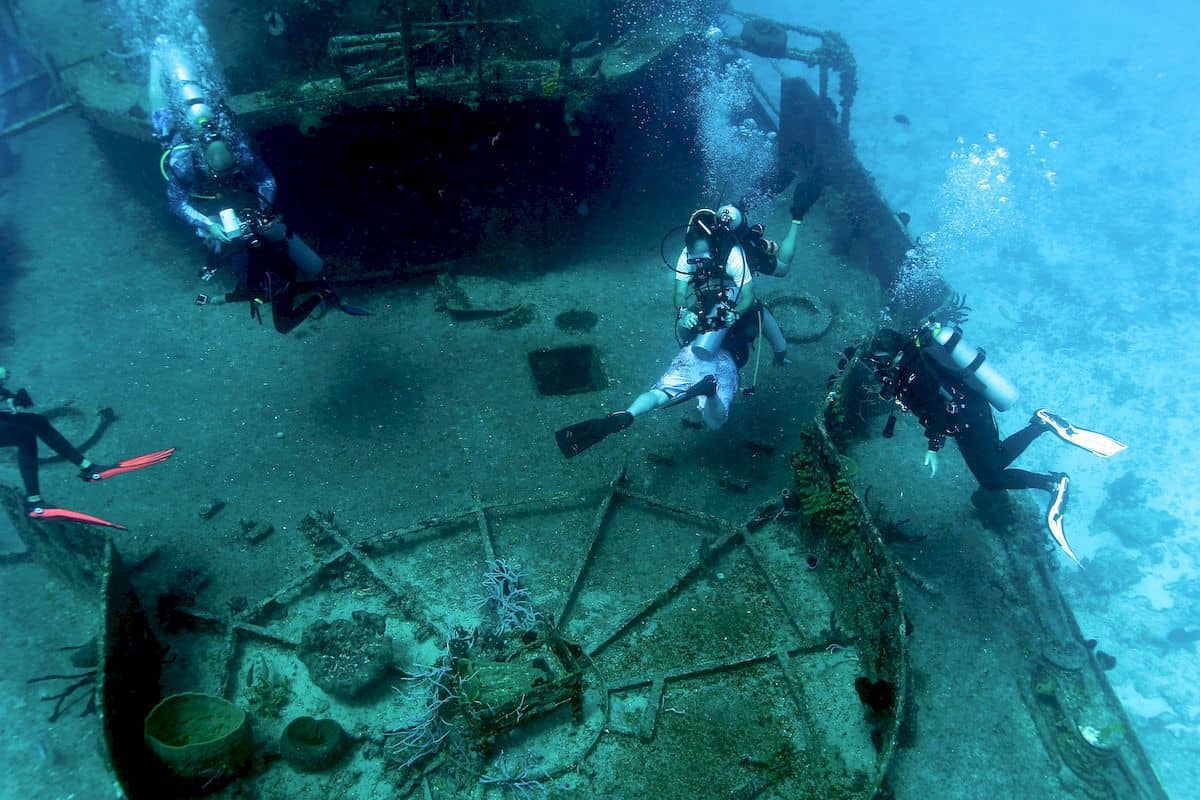
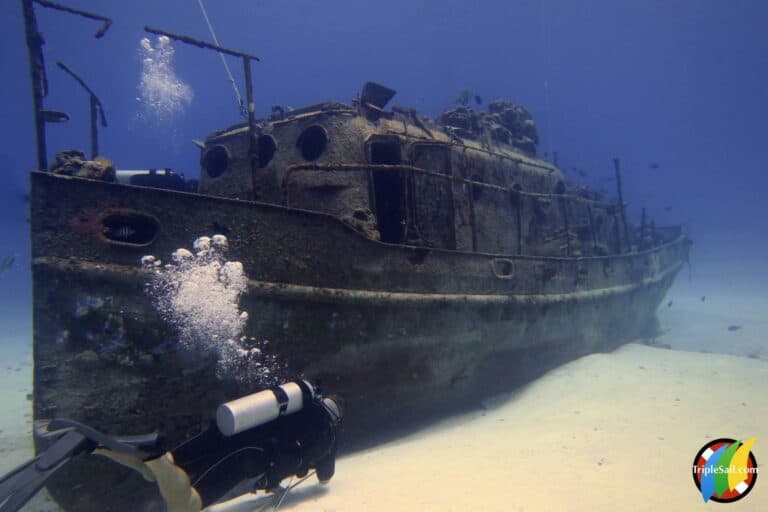
Lying on the ocean floor off the coast of Cozumel’s Chankanaab Beach Park is the C-53 wreck, a former US Navy minesweeper, and a popular wreck dive site. After WWII, the Mexican Navy bought this 154-foot long and 33-foot wide ship from the US Navy and used it to patrol the Gulf of Mexico and the Mexican Caribbean. After 55 years of service, the Mexican Navy decommissioned the ship and sank it in 1999 to create an artificial reef.
Origins of the C-53
The C-53 traces its roots back to 1944, when it was constructed at the Wilson Marine Ship Works in Tampa, Florida. Originally launched as a minesweeper named Scuffle, it was built to serve in World War II, clearing naval mines and ensuring safer passage for Allied vessels.
What Divers Say About the C-53 Wreck
Divers consistently praise the C-53 wreck for delivering a refreshing twist from Cozumel’s abundant natural reefs. While the reefs teem with color and life, the C-53 offers a different kind of thrill—navigating wide passageways, exploring down into the engine room, and encountering a surprising variety of marine life making their homes amid the ship’s structure. Spotted moray eels, lobsters, and crabs are among the regular cast of characters on board.
Many visitors appreciate that the C-53 is a substantial wreck, large enough for safe swim-throughs and exploration but shallow enough to be accessible for advanced open water divers. Most agree that the site offers just enough of a challenge due to the currents—using the descent line is a smart move to save air and make for a more relaxed experience. All in all, the C-53 stands out as a memorable dive that adds a dash of history and adventure to any Cozumel itinerary.
Artificial Reef Creation
Its artificial reef program exemplifies Cozumel’s commitment to marine conservation and sustainable tourism. The Mexican Navy has donated decommissioned vessels to be transformed into vibrant underwater habitats. One of the most notable examples is the C-53 wreck, a former US Navy minesweeper repurposed to benefit marine life and scuba divers.
In 1999, the C-53 was carefully sunk off the coast of Chankanaab Beach Park, creating a new dive site that quickly became a favorite among scuba divers. The ship was securely anchored to the ocean floor with chains and cables, ensuring it remained stable even during storms. This meticulous planning has made the C-53 a safe and accessible site for divers of all skill levels.
The creation of artificial reefs like the C-53 has profoundly impacted Cozumel’s marine environment. These structures provide shelter and breeding grounds for various marine species, from colorful reef fish to sponges and corals. The wrecks have become bustling underwater communities, teeming with life and offering divers a chance to witness the beauty of marine ecosystems up close.
Local dive shops and the Cozumel Watersports & Tourism Association have been key partners in promoting these artificial reefs. Their efforts ensure divers have a safe and enjoyable experience while exploring these underwater treasures. By diverting some of the diver traffic from natural reefs, artificial reefs help preserve the delicate balance of Cozumel’s marine environment.
In summary, Cozumel’s artificial reefs, including the C-53 and Navy Patrol Wrecks, are a testament to the island’s dedication to marine conservation and sustainable tourism. These sites offer scuba divers and snorkelers a unique opportunity to explore the underwater world, discover historical shipwrecks, and witness the thriving marine life that calls these artificial reefs home.
Dive Details and Access
The C-53 wreck is in 80 feet of water, with the boat’s top at 40 feet. Both novice and experienced wreck divers like this site because it’s easy to get to, and there’s no trash on the ship, making it one of the cleanest diving areas. They chained the wreck to the bottom to prevent it from shifting during storms or hurricanes.
Recommended Courses and Certifications
If you’re considering diving the C-53, having a wreck diving certification—such as the PADI Wreck Diver Specialty or an equivalent—can enhance your experience and safety. These courses teach essential skills, like navigation through confined spaces, proper use of reels and lines, and how to recognize potential hazards inside the ship. While beginners can enjoy the exterior of the wreck with a certified divemaster, only those with advanced training should enter the tighter passages or deeper interior rooms. If you’re eager to step up your skills, taking a specialty wreck diving course in Cozumel can be both practical and rewarding.
Diving the Wreck
Advanced divers can explore different parts of the C-53 wreck, including the engine rooms, galley, officers’ quarters, head, and radio room. The ship’s interior is intact so that you can see its history. We recommend using a detailed wreck guide or a waterproof dive site card to navigate the different areas of the wreck.
Marine Life and Highlights
Despite being underwater for over 10 years, the C-53 wreck has a clean exterior, probably due to the currents in the area. But it’s teeming with marine life, barracuda, grouper, eels, and a wide variety of reef fish visiting the site. The ship’s structure is a thriving habitat for sponges and other marine organisms. More advanced divers can enjoy the challenge of exploring the deeper parts of the wreck, where they might encounter larger marine species.
The Forgotten Shipwrecks of Playa Las Casitas
A Local Guide to Cozumel Shore Diving
Remember getting your open water certification back in the nineties? We used to jump on any crowded cattle boat just to get underwater. We did not care about the logistics. We just wanted to dive. Today, our travel style is different. We still crave adventure, but we prefer a quieter pace. We want to skip the massive tourist groups and find something authentic.
If you want a truly unique Cozumel shore dive, you need to pack your gear and head to Playa Las Casitas.
Playa Las Casitas sits just north of downtown San Miguel. It is located directly across the main road from the naval barracks. You will not find massive rental shops or luxury cabanas here. It is a genuine local beach. If you visit on a Sunday, you will see families grilling and swimming. Come on a quiet weekday morning, and you practically have the ocean to yourself. There are a few covered tables and public restrooms, but you need to bring your own snorkeling or diving gear.
The Strange Current and The Concrete Ruins
Diving or snorkeling here requires a bit of planning. The current at Las Casitas typically runs from north to south. This is the exact opposite of the prevailing currents on the southern reefs. It can pull fairly hard. The best entry point is right in front of the bar at Cafe de Mare. You can easily park on the street, jump in, and use the numerous exit points further north so you do not have to kick against the flow.
As soon as you descend, you find something that looks like an ancient underwater city. You will swim over massive concrete blocks sitting in about 20 feet of water. This is a field of rubble from the old Puerta Maya pier. Hurricane Wilma destroyed that pier back in 2005. The island placed the wreckage here to create an artificial reef program.
Diving through it feels exactly like exploring sunken Egyptian ruins. You will not find the giant barrel sponges common on the deep wall dives, but you will spot pufferfish, small snappers, and triggerfish hiding in the concrete. Because the water is shallow and calm near the bottom, it is actually a perfect spot for beginners trying a PADI Discover Scuba Diving course.
The Mexican Navy Patrol Wrecks
Keep kicking for about ten minutes over the sandy, grassy bottom. Soon, the dark shadows of two sunken ships will appear in the blue water. Cozumel intentionally sank these two Mexican Navy patrol boats in 2006.
The first ship is the Laguna de Mandinga. She is an 85-foot coastal patrol boat built in Acapulco in 1960. Back in her prime, twin diesel engines pushed her to 16 knots as she patrolled the waters near Cancun. She even carried a bow-mounted Browning machine gun. Today, she rests in 38 feet of water, pointing north. Two mooring balls mark her location.
Right behind her sits the Laguna de Patzcuaro. She is a smaller 33-foot vessel built in Mexico City in 1961. She ran on a single Caterpillar engine and maxed out at 8 knots. She sits a little shallower, at 36 feet, pointing south.
Both wrecks are covered in extensive new coral growth. If you are an experienced shore diver, you might be tempted to penetrate the hulls. I highly recommend staying on the outside. The openings are very tight, the new coral is incredibly fragile, and the metal is covered in stinging fire coral. Plus, we regularly pull venomous lionfish out of the dark corners. You can see everything you need by looking through the hatches and the holes cut into the sides.
The Relocated Paradise Reef
Between the two ships, you will find something truly unusual. There is a line of live rock stretching about 40 yards. This is not natural to this specific sandy area. Back in 2014, Carnival Cruise Lines built a new pier down south. They physically moved a massive section of Paradise Reef to this spot to save it.
The transplant was a huge success. The rock is incredibly healthy. You will see more trumpetfish and sand divers here than almost anywhere else on the island.
Practical Tips for Snorkelers
You do not have to be a certified scuba diver to enjoy this site. Because the wrecks sit in less than 40 feet of water, strong snorkelers can easily view them from the surface. You just swim offshore to the marker buoy, then head a little to the left.
However, you must be a confident swimmer. You will cover a decent distance to reach the wrecks. Most importantly, you absolutely must tow a brightly colored surface marker buoy or dive float. There is a lot of local boat traffic in this area. A flag keeps you visible and safe.
Exploring Playa Las Casitas gives you a different perspective on Cozumel. You get military history, thriving artificial reefs, and a quiet local atmosphere all in one morning. It is the perfect adventure for travelers who want to skip the crowds and find the island’s real heartbeat.
Why Book With Us?
Book through this website; we guarantee you’ll get the lowest price online. You’ll be dealing directly with us, the owners, and we never charge booking fees, so you will save up to 30% on the cost compared to sites like Airbnb. Book our Couples’ accommodation in Cozumel.