
June 12, 2019

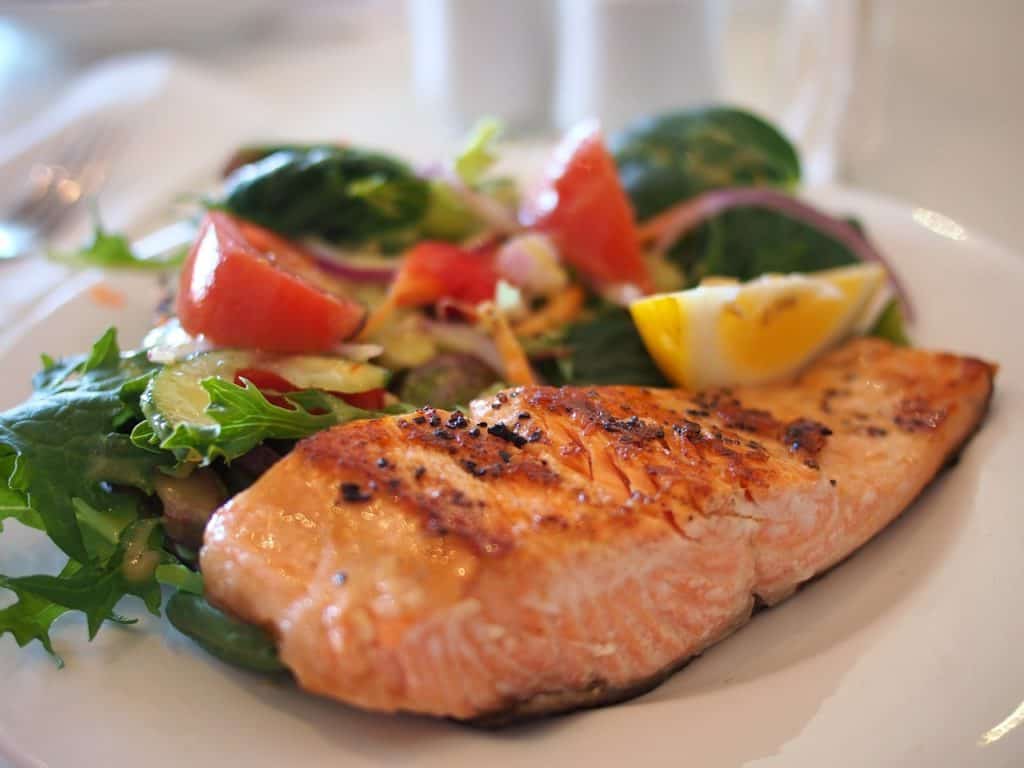
Freshly grilled salmon served with a side of mixed greens salad and lemon wedge, perfect for a healthy seafood meal at Cozumel.

The best seafood restaurant on Cozumel

Finding the Real Deal: A No-Nonsense Guide to the Best Seafood in Cozumel

Let’s be honest. When you’re in your 40s or 50s, you’ve eaten enough mediocre meals to last a lifetime. You’re standing in Cozumel, the Caribbean sun is warming your face, the water is an impossible shade of blue, and you want seafood.

But you don’t want the bland, overpriced “catch of the day” from the tourist-trap restaurant on the main strip. You know the one—it has a giant, laminated menu with pictures.

You want the real stuff.

You want the kind of place the locals guard like a secret. The spots where you can practically hear the fishermen dropping off their haul at the back door. The air smells like salt and lime, not just sunscreen. Finding that perfect spot… that’s the real vacation win. It’s not just about a meal; it’s about finding something authentic.

So, how do you find it on an island that’s buzzing with options? Let’s talk about it.

What “Best” Actually Means on the Island

Here’s a little secret: Cozumelanos (the locals) are wonderfully picky. They have high standards for everything.

They know who makes the best pan (bread). They know where to get the perfect tacos. They understand that a proper breakfast comes with traditional dishes, great beans, and strong coffee.

Seafood is no different. Locals will absolutely travel from one side of the island to the other for a plate of fish that’s worth it. When they search for the “best,” they aren’t looking for fancy tablecloths. They’re looking for a few key things:

  1. Freshness is everything. This is non-negotiable. We are talking “still swimming this morning” fresh.

  2. It has to be authentic. They want dishes from the region. This is where you might see that great local bread show up again, maybe in a torta (sandwich) or served alongside a pile of crispy fried seafood.

  3. The vibe matters. This isn’t about stiff, formal service. It’s about a place feeling right. It’s got to be relaxed. Maybe it’s an excellent spot for people-watching, or the staff treats you like a regular. It’s that energy that’s so hard to define.

  4. It’s about value, not price. This is a crucial distinction. It doesn’t mean “cheap.” It means getting incredible, high-quality food for a price that feels fair. They don’t skimp on quality, and you shouldn’t either.

Hungry pescavores (a fancy word for seafood lovers) don’t have to look too hard. No matter where you are when hunger strikes, there’s a good chance fresh fish is nearby. You have to know what to look for.

The Reigning Champion: La Conchita del Caribe

If you’re looking to impress, or you want a guaranteed home run, there’s one name that comes up again and again: La Conchita del Caribe.

This place has reportedly been the standard for seafood in Cozumel for something like 20 years. In the restaurant business, 20 years is like 100 in normal-people years. That staying power doesn’t happen by accident.

It’s a direct result of their obsession with quality and getting every detail right. You can feel it on every plate.

The menu isn’t static; it rotates based on what the fishermen bring in, which is precisely the conversation you want your restaurant to be having. You can always count on house classics, like a perfectly crispy Pescado Frito (whole fried fish), but the real magic is in the daily specials.

The atmosphere is just… right. It’s busy, sure, but it never feels hectic. It’s cozy. The open kitchen adds to the energy, letting out all those great sounds and smells. It just gives you those warm fuzzies, even before the food hits the table.

So, what should you order?

Honestly, you could close your eyes and point at the seafood menu, and you’d probably be happy. But if you’re stuck, let me make a few suggestions.

Start with the ceviche. It’s piquant, bright, and absolutely packed with fresh seafood. The seafood cocktail is another classic winner. For the most part, you really have to try one of the grilled fish selections. If they have Dorado (that’s mahi-mahi) on the list, get it. It will arrive at your table perfectly grilled, white, and flaky.

They also serve fantastic garlic shrimp, soft drinks, and ice-cold cervezas. This is the traditional, authentic Mexican seafood you were dreaming about on the plane. They take the best ingredients from the area, like the famous pulpo (octopus), and prepare them in a way that lets the ingredients shine.

This is the place that makes Cozumel’s seafood fashionable, but it’s one of the rare spots that actually lives up to all the hype.
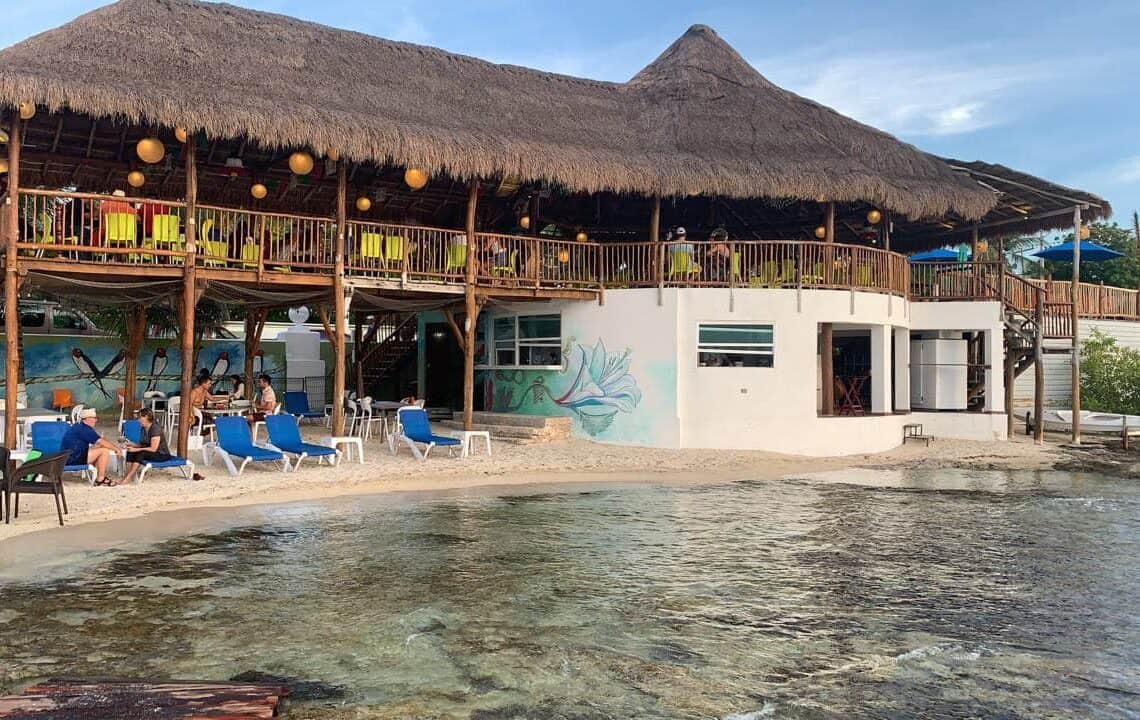
Vibrant beachfront bar La Monina in Cozumel, Mexico, with ocean views and tropical decor, perfect for relaxing vacation stays.

But Wait, There’s More…

La Conchita is a fantastic, reliable star. But it isn’t the only story. Part of the joy of traveling is discovering your spot. Cozumel’s seafood scene has layers, and the other layers are just as delicious.

The “Hole-in-the-Wall” Legend

This is the place you would 100% walk right by if you didn’t know better. It’s probably got plastic chairs, a handwritten menu on a whiteboard (if there’s one at all), and maybe only five items.

This is where you get that one perfect dish. Maybe it’s a coctel de camaron (shrimp cocktail) that’s more shrimp than cocktail. The owner is probably also the cook, and they’ve been making it the same way since 1995.

How do you find it? Look for a tiny, hand-painted sign down a side street. Or, better yet, ask a taxi driver where he eats when he’s off duty.

The “Toes-in-the-Sand” Shack

Then you have the classic beach shack. This experience is less about culinary wizardry and more about the moment.

You’ve just climbed out of the water. You’re salty, sun-drenched, and a little tired. You’re eating a whole grilled fish with your feet buried in the cool sand.

Is it the most complex meal you’ll ever have? No. Is it one of the most memorable? Absolutely. The key here is simplicity: a whole fish, a generous squeeze of lime, a cold beer, and a view that can’t be beaten.

Your Toolkit: How to Find Your Own “Best”

Okay, so you’re on the hunt. You’re ready to explore. How do you separate the real-deal gems from the traps?

Here’s a simple checklist.

  • 1. Look for a Short Menu. A giant, leather-bound menu that’s 10 pages long (and in five languages) is a bad sign. It means “freezer.” A small, focused menu—maybe on a chalkboard or a single sheet of paper—means “fresh.”

  • 2. Follow the Locals. This is the oldest trick in the book because it works. If a place is packed with families speaking Spanish at 2 PM on a Tuesday, you’re in the right spot. If it’s empty except for other sunburned tourists, keep walking.

  • 3. Ask “What’s Fresh Today?” Don’t just ask “what’s good?” Get specific. Ask what came in today. A good waiter will light up and tell you, “The Dorado is beautiful,” or, “The pulpo is fantastic right now.” If they just vaguely point at the menu… that’s a red flag.

  • 4. Trust Your Gut. You’re old enough to have a pretty good gut instinct. Does the place smell good? Does it sound happy? Does it feel clean? If a place feels “off,” it probably is.

The Real Catch

Finding the best seafood in Cozumel is more than just ticking a box on a travel blog’s list. It’s a treasure hunt.

It’s about that moment you take the first bite of ceviche and the lime and cilantro hit your tongue. It’s about the crunch of that perfectly fried fish. It’s about finding a place that feels real, because, frankly, you’re past the point of settling for anything else.

So, get out there. Be curious. Walk down that side street. And let me know what you find.

Why Book With Us?

Book through this website; we guarantee you’ll get the lowest price online. You’ll be dealing directly with us, the owners, and we never charge booking fees, so that you can save up to 30% on the cost compared to sites like Airbnb. Book our Couples retreat in Cozumel here.

The best seafood restaurant on Cozumel Read More »

A beach with orange seaweed on the sand

Does Cozumel Have a Seaweed Problem

Does Cozumel Have a Seaweed Problem? – What Travelers Should Know About Sargassum

Does Cozumel have a seaweed problem?

Yes, Cozumel gets sargassum, but which side of the island matters a lot. From what Greg and I have seen living here, the western shore is free of noticeable seaweed about 90% of the time, even when parts of Playa del Carmen, Tulum, and Cancun are dealing with heavy arrivals.

The question I hear over coffee

One question comes up every sargassum season: “How bad is the seaweed in Cozumel?”

I understand why people ask. After spending months planning a Caribbean vacation, nobody wants to arrive and find a beach covered in brown seaweed.

But here’s what I tell people: don’t think of Cozumel as one big beach.

Greg and I live here, and we’ve watched the difference between the island’s eastern and western sides year after year. In our experience, the western shore is free of noticeable sargassum about 90% of the time. Meanwhile, we’ve seen periods when beaches along Playa del Carmen, Tulum, and Cancun were heavily covered, and the water looked almost like tea.

That’s our observation, not a scientific 90% statistic. And I think that distinction matters.

The official CONABIO SATsum sargassum monitoring system now makes the same larger point from a scientific perspective: conditions can be dramatically different between coastal areas at the same time. Its current forecasting system even divides Cozumel into separate coastal zones rather than treating the island as one uniform beach.

So, does Cozumel get seaweed?

Yes.

Does that mean your Cozumel vacation will be ruined?

Not necessarily. In fact, if you’re coming here to scuba dive, the answer may be very different from what you’d expect.

Which side of Cozumel gets the most sargassum?

Cozumel’s eastern and southeastern shores are more exposed to incoming sargassum than the western coast. Most of the island’s popular swimming areas, hotels, and scuba diving operations are on the western side, which is more sheltered from the open Caribbean.

This is one of those geography lessons that makes much more sense on a map.

The eastern side of Cozumel faces the open Caribbean. The western side faces the mainland and is much more protected.

That doesn’t create a magic force field around the island. Wind, currents, and ocean conditions still matter. But it helps explain why you can see substantial sargassum on one side of Cozumel while the water looks completely different somewhere else.

The latest SATsum forecast from CONABIO is a good example. Its September 23, 2026 forecast rated the northern and northwestern Cozumel area as low risk, while the southeastern Cozumel zone was rated extreme. Playa del Carmen was rated high in the same forecast.

That is a much more useful way to think about sargassum than saying, “Cozumel has seaweed” or “Cozumel doesn’t have seaweed.”

Both statements can be misleading.

The important word here is exposure.

It’s not about Cozumel somehow being immune to sargassum. It isn’t.

Area

Typical exposure

What travelers should know

Western Cozumel

More sheltered

Main area for swimming, hotels and scuba diving

Eastern Cozumel

More exposed

Can receive much heavier sargassum

Southeastern Cozumel

More exposed

Conditions can be substantially different from western beaches

Playa del Carmen

Exposed mainland coast

Can experience heavy beach accumulation

Tulum

Exposed mainland coast

Often affected during major sargassum arrivals

Cancun

Varies by beach

Conditions can differ considerably along the coast

sea turtle resting on sandy beach with ocean waves in background, marine wildlife, tropical vacation, coastal scenery, in Cozumel.

Is Cozumel better than Playa del Carmen for avoiding seaweed?

Cozumel and Playa del Carmen are close neighbors, but their beaches can look completely different on the same day. The reason is largely geographic, with wind, currents and local beach orientation affecting where floating sargassum eventually washes ashore.

I’ve seen this myself many times.

We’ll have guests arrive worried because they’ve been watching photos from Playa del Carmen or Tulum. Then they walk down to the western side of Cozumel and see clear Caribbean water.

That’s one reason I don’t like blanket statements about an entire region.

The University of South Florida Sargassum Watch System tracks floating sargassum across the Caribbean using satellite observations. Its data can show where the larger masses are moving, but what happens when that material reaches a particular beach depends on local conditions, too.

And this is where Cozumel’s geography really matters.

If you’re comparing Cozumel with Playa del Carmen because you’re worried about seaweed, don’t just compare the two destination names. Compare the actual coastlines you’re likely to use.

What month is sargassum worst in Mexico?

There isn’t one guaranteed worst month for every Mexican beach. The Mexican Caribbean generally sees more sargassum during the warmer months, but the timing and severity change from year to year.

This is one of those travel questions where I wish there were a simple answer.

“August is the worst.”

There. Done.

Except nature doesn’t work that way.

Research published in Aquatic Botany found substantial seasonal and year-to-year variation in sargassum arriving along the Mexican Caribbean. More recent CONABIO data also shows how unusual individual years can be.

So if you’re planning a June, July or August vacation, I’d pay attention to sargassum reports. But I wouldn’t automatically cancel a trip because a calendar says it’s “sargassum season.”

For a couple who comes to Cozumel primarily to scuba dive, I’d look at the whole picture.

Where are you staying?

Which side of the island will you use?

What activities matter most to you?

And what are conditions actually doing when you’re here?

Those questions tell you much more than a generic seasonal chart.

Weathered seaweed line on the pristine beach at Tulum, with turquoise waters, tropical palm trees, and visitors enjoying the scenic shoreline.

Is seaweed bad in Cozumel right now?

The honest answer is: it depends on where you are looking. Sargassum conditions can change quickly, and the eastern and western sides of Cozumel can look very different at the same time.

That is why I don’t want this article to pretend it can tell you what every Cozumel beach will look like six months from now.

For current conditions, I would check the CONABIO SATsum system and the University of South Florida Sargassum Watch System.

CONABIO’s system is particularly useful because it includes current satellite observations, coastal webcams, and a 10-day drift forecast. The forecast is probabilistic, so it isn’t a promise about what will happen on a particular beach, but it can give travelers a much better picture than an old blog post.

And that’s really the point.

If you’re booking a trip for next year, look at historical patterns. If you’re arriving next week, check current information. If you’re standing on the beach this morning, look at the beach.

Simple, right?

How bad is sargassum in Playa del Carmen right now?

Playa del Carmen can experience substantially heavier sargassum than western Cozumel because of its position along the mainland Caribbean coast. But even Playa del Carmen isn’t one uniform beach, so you need to check current conditions by location and date.

This is another place where social media can make things confusing.

One person posts a photo of a beach covered in sargassum, and suddenly everyone assumes the entire Riviera Maya looks the same.

That’s not necessarily true.

A recent CONABIO forecast illustrates the problem nicely. Different Quintana Roo coastal zones can receive very different forecast levels during the same period.

So if you’re deciding between Playa del Carmen and Cozumel, don’t just ask, “Which destination has more seaweed?”

Ask, “Where exactly will I be swimming?”

That small change in the question can lead to a much more useful answer.

Can I still scuba dive in Cozumel during sargassum season?

Absolutely. For scuba-diving couples, sargassum on a beach doesn’t automatically mean your diving vacation is in trouble.

This is probably the most important point I’d make to someone coming to Cozumel specifically for diving.

Sargassum is a floating marine plant. When large quantities wash onto a beach, that’s where travelers notice it most. Your dive trip, however, depends on the conditions at the dive site, the boat route, wind, waves, currents, and visibility. That isn’t the same as whether one beach has a pile of seaweed.

I’ve had plenty of conversations with guests who arrive worried about sargassum because they’ve seen photos from the mainland. Then they spend their vacation diving, snorkeling, eating downtown, and exploring Cozumel, and the seaweed turns out to be a much smaller part of their experience than they expected.

That’s one reason I think Cozumel makes sense for couples who aren’t coming here to sit on one beach for seven days.

If you’re underwater in the morning, having lunch downtown, walking along the malecón in the afternoon, and enjoying dinner together that evening, your vacation isn’t dependent on whether every beach looks like a postcard.

Which beaches in Mexico have no seaweed?

I wouldn’t promise that any Mexican Caribbean beach will have no sargassum. Beaches sheltered by geography or located away from the main areas of sargassum transport can often have much less, but conditions change with currents, wind,d and weather.

You’ll find plenty of articles promising “sargassum-free beaches.”

I’m always a little cautious about that wording.

A beach can be clear today and have sargassum tomorrow. Another beach can have seaweed in the morning and look much better later in the day.

The NOAA and University of South Florida sargassum monitoring is much more useful for understanding the broader movement of sargassum than a permanent claim that one beach is immune.

And this is another reason I prefer the phrase “less affected” rather than “seaweed-free.”

It’s more accurate.

What does sargassum actually mean for a Cozumel vacation?

For most travelers, sargassum is a beach-condition issue, not a reason to cancel an entire Cozumel vacation. If you’re here to scuba dive, snorkel, explore downtown, eat local food, and see different parts of the island, you have plenty of options.

Cozumel isn’t just a beach.

That’s easy to forget when you’re planning a Caribbean vacation from a laptop.

You see turquoise water in a photograph and imagine that every square foot of the island looks like that every day.

But we live here.

The island has reefs, mangroves, jungle, wildlife, restaurants, neighborhoods, fishing boats,s and two very different coastlines. Sometimes the water is perfectly calm. Sometimes the wind picks up. Sometimes there’s sargassum.

And sometimes you wake up, make a cup of coffee, look outside and think, “Yep. I still can’t believe we get to live here.”

That’s the Cozumel I want our guests to experience.

If you’re a couple in your 40s or 50s who’d rather spend the morning scuba diving than worrying about whether every inch of sand looks perfect, I’d look at Cozumel a little differently.

Don’t ask only whether the island gets seaweed.

Ask where it gets it, when it gets it, and what you actually want to do while you’re here.

That tells you much more.

Where to stay in Cozumel, Mexico → Cozumel neighborhood and accommodation guide

Scuba diving in Cozumel → Cozumel diving guide

Things to do in downtown Cozumel → downtown Cozumel guide

Adults-only vacation in Cozumel → couples and adults-only Cozumel guide

Frequently Asked Questions

Yes, Cozumel gets sargassum, particularly along its more exposed eastern and southeastern coastline. The western side is often much less affected, but conditions vary with wind, currents and weather.

The Mexican Caribbean generally experiences greater sargassum activity during the warmer months, but there isn’t one month that is guaranteed to be the worst every year. June through August can be important months to watch, but current monitoring is more useful than relying on a calendar alone.

It depends on the part of Cozumel you’re visiting and the current ocean conditions. Check current CONABIO SATsum monitoring and recent local beach information before making a decision based on today’s conditions.

The two destinations can experience very different sargassum conditions at the same time because their coastlines have different exposure to the Caribbean. Western Cozumel is often less affected than exposed mainland beaches, but neither destination can honestly be guaranteed to be sargassum-free.

Does Cozumel Have a Seaweed Problem Read More »

Need Help?
Scroll to Top