
What Should You Avoid Doing in Cozumel? Local Tips for a Safer Trip
Cozumel is a wonderful place to slow down, explore the Caribbean, and spend a few days underwater. But like any destination, it helps to know a few things before you arrive. I’m Silvia Lupone, owner of Stingray Villa, our four-suite adults-only guesthouse in downtown Cozumel. My husband, Greg, and I want our guests to enjoy the island, not waste vacation time dealing with avoidable problems.
What should I avoid doing in Cozumel?
The biggest mistakes are often simple: leaving valuables unattended, renting a scooter without considering the risks, not agreeing on taxi prices, and forgetting sun or insect protection. A little planning can help you enjoy Cozumel with fewer surprises.
The U.S. Department of State’s Mexico travel information is a useful starting point for current safety advice. Remember, conditions vary by location and change over time.
My advice is simple: plan ahead, use common sense, and ask questions when you’re unsure. You don’t need to spend your vacation worrying about every possible problem.
What to avoid | Why it matters | A better choice |
Leaving valuables unattended | Items can be lost or stolen | Keep valuables secured and carry only what you need |
Renting a scooter without considering the risks | Traffic and road conditions can be challenging | Compare the risks with using a taxi |
Drinking tap water | It may contain organisms that cause illness | Choose safe drinking water |
Sitting beneath heavily laden coconut trees | Coconuts or branches can fall | Choose an open seating area |
Diving after drinking alcohol | Alcohol can impair judgment and coordination | Follow your dive professional’s safety guidance |
Assuming Cuban cigars are real | Fake Cuban cigars waste your hard-earned money | Check reviews of places in Cozumel |
Is Cozumel dangerous right now?
Don’t rely on old social media posts to decide whether Cozumel is safe today. Check current official advisories, local announcements, and weather alerts before your trip, then use sensible precautions while you’re here.
The U.S. Department of State’s current Mexico advisory lists Quintana Roo at Level 2, meaning travelers should exercise increased caution. That is statewide guidance, not proof that every part of Cozumel faces the same risks.
Keep your plans flexible if severe weather affects ferry service, flights, or boat trips. If you need help during your stay, Cozumel’s Centro de Atención y Protección al Turista (CAPTA) provides tourist assistance, including guidance with emergencies and consular matters.
For an emergency in Mexico, call 911. Save useful local contact information before you need it, rather than searching for it while stressed.
How can I avoid petty theft in Cozumel?
Keep your belongings close, leave unnecessary valuables in a secure place, and don’t leave a phone, wallet, or camera unattended on a beach chair. These simple habits reduce opportunities for theft without keeping you from enjoying the island.
Carry only the cash and cards you need for the day. When swimming, use a dry bag and take ALL valuables with you.
If you’re going diving, consider what you’ll leave behind on the boat. When possible, keep valuables at your accommodation, and follow your dive operator’s advice on storing gear and personal items.
If your passport or wallet goes missing, contact the relevant bank or card issuer promptly, report the loss to local authorities when appropriate, and contact your embassy or consulate if travel documents are involved. The Cozumel tourist police page lists local emergency contacts.
Is renting a scooter in Cozumel a good idea?
Tourists frequently ask: Should you rent a scooter in Cozumel?
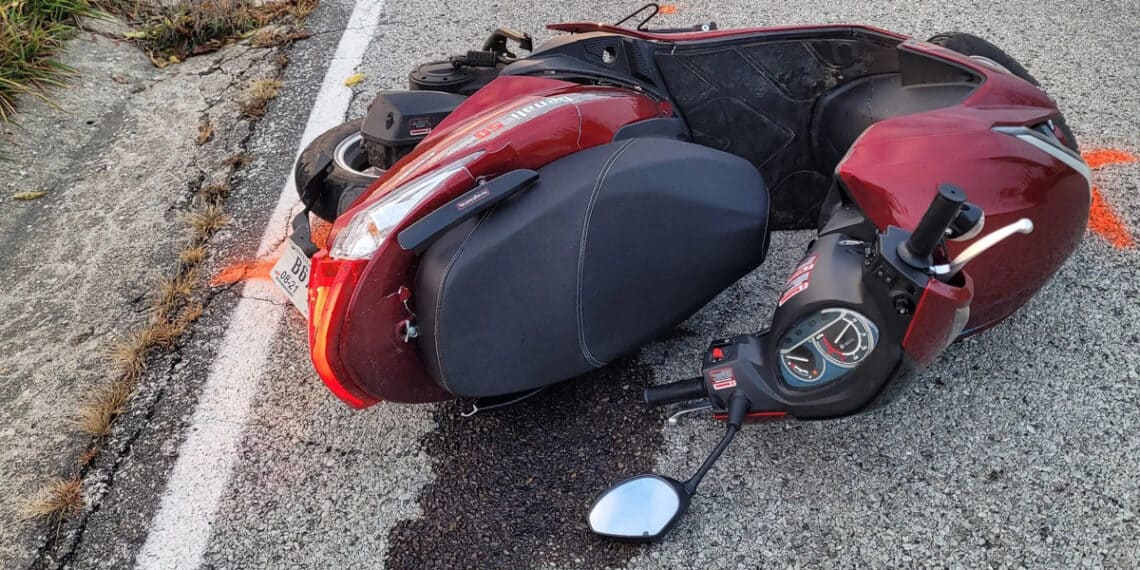
A scooter can make it easy to explore, but it also exposes you to road risks, unfamiliar traffic, and the possibility of a serious injury. If you’re not an experienced rider, weigh the convenience against the risks before renting.
Before you decide, check your travel insurance to see whether it covers scooter use under your rental conditions. Wear a proper helmet, inspect the scooter, confirm what insurance is included, and never ride after drinking.
Why can’t you safely rent scooters in Cozumel?
- Most tourists do not ride scooters at home
- Roadways are either one-way or poorly marked.
- The stop signs are usually hidden.
- Many rental companies provide little or no insurance.
- Scooter-related injuries (commonly referred to as “Cozumel tattoos”) occur very frequently.
Alternative: Rent a vehicle, hire taxis, etc.
Should I confirm the taxi price before getting in?
Yes. Confirm the fare, destination, and currency before the ride begins so you and the driver agree on the terms. Don’t assume every taxi uses a meter or that a fare you paid elsewhere applies to every journey.
If you’re unsure what a trip should cost, ask your accommodation host or another trusted local source before leaving. Make sure you understand the quoted price, especially if you’re carrying pesos and U.S. dollars.
Cozumel taxis are a useful way to get around, but agreeing on the price first avoids an unnecessary disagreement at the end of your ride.
NEW……….Attention everybody!
Are you familiar with being confused or frustrated over taxi fares, route information, or simply finding a taxi? Good news! There is now an app that provides all of this upfront. The app is called Eiby Taxi Cliente App, and it works exactly like Uber!
- Prices are transparent
- Very easy to utilize
- Apple and Google Play Store compatible

Can I drink tap water in Cozumel?
If you’re unsure whether a water source is potable, choose sealed bottled water or water from a trusted source. Be careful with ice and food preparation, especially if you have a sensitive stomach.
The CDC’s Mexico travel health guidance recommends safe food and drinking habits for travelers. Its food and water precautions explain why water safety matters: contaminated water can carry germs that cause illness.
At Stingray Villa, we provide bottled drinking water for our guests. It’s one less thing for visitors to think about while they settle in, get ready for a dive, or head out to explore downtown.
Do I need sunscreen and insect repellent in Cozumel?
Yes. Bring sun protection and an appropriate insect repellent, especially if you plan to spend long hours outdoors, visit beaches, or explore natural areas.
The CDC’s Mexico travel guidance recommends avoiding insect bites and using an appropriate repellent. For mosquitoes and ticks, the CDC identifies products containing 20% or more DEET as one option; picaridin and other approved ingredients can also provide protection when used as directed.
The Caribbean sun can catch you off guard, especially when a breeze makes the heat feel less intense. Wear a hat, drink water regularly, seek shade during the hottest hours, and reapply sunscreen as directed on the label.
Scuba divers should remember that time on a boat adds to sun exposure. A rash guard, hat, and reef-conscious sunscreen choice can make a long day on the water more comfortable.
Is it safe to sit under coconut trees in Cozumel?
Choose your shade carefully and avoid sitting directly beneath hanging coconuts, particularly when the wind is strong. There have been numerous incidents of people dying or being severely injured from falling coconuts. Coconuts can be dangerous anywhere, not just the infamous “killer” coconuts of Cozumel.

Should I attend a timeshare presentation in Cozumel?
Only if you’re genuinely interested and comfortable spending time listening to a sales pitch. A free excursion, discount, or gift may come with a presentation that lasts much longer than you expected.
Before agreeing, ask how long the presentation will take, what you must do to receive the offer, and whether there are any conditions. If you don’t want to attend, a polite no is enough.
Some travelers share their experiences with sales pressure in online discussions, including this Reddit conversation about tourist traps in Cozumel. Those accounts can be useful warnings, but one person’s experience doesn’t mean every visitor will encounter it.
Your vacation time is valuable. Spend it on the activities you actually want to do, whether that’s diving, snorkeling, enjoying a long lunch, or simply sitting by the pool with a good book.
Can I buy real Cuban cigars in Cozumel?
Cuban cigars may be offered for sale, but a label or seller’s claim alone doesn’t prove that a cigar is genuine.
Oh man, don’t get me wrong. Most Cuban cigars street vendors sell in Cozumel are as fake as a three-dollar bill. Just don’t even think about it. But if you want the real deal, I know where to take you. There’s this place called Havana Bob’s Cuban Cigars. And guess what? It is 100% legitimate.
I’m sure you can imagine walking into Havana Bob’s and seeing this giant walk-in humidor full of actual Cuban cigars. Bob even makes his own hand-rolled cigars for true connoisseurs. Prices are fair, and you’ll know exactly what you’re paying.
If you’re returning to the United States, check the current rules before purchasing or packing Cuban-origin goods. The U.S. Customs and Border Protection guidance on Cuban goods and cigars explains that U.S. rules restrict bringing Cuban-origin alcohol and tobacco products acquired in Cuba into the country. Rules for purchases made in third countries differ, so don’t assume that buying something legally in Cozumel means you can bring it home.
Can I buy recreational drugs in Cozumel?
Don’t assume that a product offered for sale is legal, authentic, or safe. Buying recreational drugs from an unknown seller can expose you to legal trouble as well as health risks.
Mexico’s cannabis laws have a complicated history, and rules about personal use, commercial sales, possession, and other drugs are not interchangeable. The Mexican health regulator COFEPRIS has published information about the legal framework for recreational cannabis use.
For visitors, the safest advice is not to buy drugs from street sellers or assume that a claim about local legality protects you from consequences. Also remember that recreational drug use can affect judgment, coordination, and safety, especially around roads and water.
Which ATMs should I use in Cozumel?
Prefer ATMs operated by established banks and located inside a bank branch or another secure, well-lit setting. Avoid machines that look tampered with, and don’t accept unsolicited help from strangers while withdrawing money.
Check the fees and exchange-rate options before confirming a transaction. If the ATM offers a conversion, always decline that. Let your bank do the conversion, as it will always offer a better rate.
It’s also wise to notify your bank of your travel plans if required, keep a backup payment method separate from your main wallet, and save your bank’s contact details in case you lose a card.
What should I wear around town in Cozumel?
Swimwear is normal at beaches and pools, but a shirt, dress, or cover-up is a considerate choice when walking through town or entering shops and restaurants. You don’t need a formal wardrobe, just something comfortable that suits the setting.
Guys, you wouldn’t wear a Speedo bikini or thong swimsuit and go shirtless into your grocery store or restaurant back home; we wouldn’t want to see it here, either. Leave your strut for the beach.

Where should I buy tequila in Cozumel?
First off, let’s talk about tequila. You will see dozens of “tequila shops” near the cruise ship pier promising “free tastings” and “authentic” products. But be real, most are tourist traps. They sell overpriced, mediocre tequila you can find cheaper elsewhere. If you want something good, go to the #1 liquor store, Casa Lámbar Cozumel, across from the Superstore “Mega.” They have a great selection, and prices are usually better than back home.
What should scuba divers avoid doing in Cozumel?
Don’t drink alcohol before diving, ignore the dive briefing, or leave valuable equipment unattended. Protecting yourself and your gear helps keep a good dive trip from turning stressful.
Plan your dive days with your operator, and follow the limits and safety instructions your dive professional gives. Alcohol can affect judgment and coordination, and diving requires both. If you plan to drink, save it for after you finish diving for the day.
Take care of your equipment, too. Rinse it where permitted, let it dry in an appropriate place, and keep track of small items such as masks, computers, and accessories. Losing a key piece of gear can disrupt a dive even if nothing valuable was stolen.
At Stingray Villa, we provide a rinse tank for scuba gear because we know that divers need a practical place to care for their equipment after a day in the water. For us, it’s one of those small details that makes a dive-focused stay easier.
Final thoughts: Enjoy Cozumel without overthinking it
As the owner of Stingray Villa in Cozumel, I have had the pleasure of speaking with literally hundreds of travelers through the years. Many of those conversations were with cruise travelers visiting us for one day. And by the time they sat down with their first cup of coffee, or perhaps an ice-cold water (aguas frescas), many said essentially the same thing: “I wish I’d found out about this before.”
So, in all honesty, I’m going to share my thoughts on the best ways to avoid mistakes when taking a day trip to Cozumel.
Don’t Spend All Your Time in the Port Area: It’s true, there is always activity around the cruise port. You can browse shops, enjoy live music, and even catch an occasional Jimmy Buffett song wafting from a nearby bar. However, Cozumel offers much more than that small strip of land. A short drive south (about 10 minutes), and you’ll see the pace of life slow dramatically. Palm trees sway gently in the breeze; the open ocean stretches as far as you can see; the scent of salt fills the air…this is the ‘real’ Cozumel.
FAQ
Generally, Cozumel is considered one of the safest destinations in Mexico, especially around tourist zones like San Miguel and the cruise ports, but travelers should always remain vigilant, especially at night, and be aware of petty theft.
No, it is strongly advised that tourists do not drink tap water in Cozumel. Stick to bottled water, purified ice, and ensure you use sealed bottled water for brushing your teeth to avoid health issues.
Many tourists make the mistake of relying solely on US Dollars or using airport currency exchangers. It is best to pay in Mexican Pesos (MXN) for the most favorable rates, which can be acquired using a reliable bank ATM (not a generic standalone one) or a local bank branch.
Yes, it is crucial to use only biodegradable or reef-safe sunscreen. Traditional sunscreens contain chemicals that harm the Mesoamerican Barrier Reef System, and using non-compliant sunblock is illegal in protected marine areas.
You should not haggle over taxi fares, but you should always confirm the established price for your destination before getting into the taxi, as official rates are often fixed based on zones.
Tourists should generally be cautious about renting scooters or mopeds, as local driving habits can be unpredictable, the insurance coverage is often poor, and accidents are common. Stick to licensed taxis or jeeps from reputable companies.
While not legally mandatory, tipping (propina) is customary and expected in service industries in Cozumel (restaurants, bars, tour guides) and failing to tip is considered a major cultural blunder. The standard tip is usually 10% to 20% of the bill.
Absolutely not. Touching, standing on, or taking pieces of coral is strictly forbidden by law. The coral is extremely fragile, and causing damage can result in significant fines and environmental penalties.