Cozumel MX

Welcome to Stingray Villa, your premier vacation rental in Cozumel, Mexico, tailor-made for couples in their 50s-60s, especially those passionate about scuba diving. Established in 2019, our intimate four-unit mini-resort boasts exquisite craftsmanship, including features like granite countertops, tiled floors, and captivating painted murals. Stay connected with the island’s fastest internet, ensuring you’re never out of touch.

Indulge in a serene and personalized getaway with our array of amenities, from a refreshing swimming pool to inviting outdoor patios, all within close reach of renowned dive sites. Our nightly rates, ranging from $49 to $89, reflect our commitment to providing exceptional value for your stay.

Experience the warmth of our genuine hospitality, comfortable lodgings, and hassle-free booking process. At Stingray Villa, we cherish hospitality, comfort, and a profound connection to nature, fostering a welcoming and inclusive ambiance.

Seeking unbeatable reasons to choose us? When you book directly through our website, you secure the most competitive prices online. As proud owners, we offer a direct booking experience, free from additional fees imposed by platforms like Airbnb. Enjoy substantial savings of up to 30% off the total cost by avoiding such charges. Don’t miss out on these exclusive advantages—reserve your slice of paradise with us today!

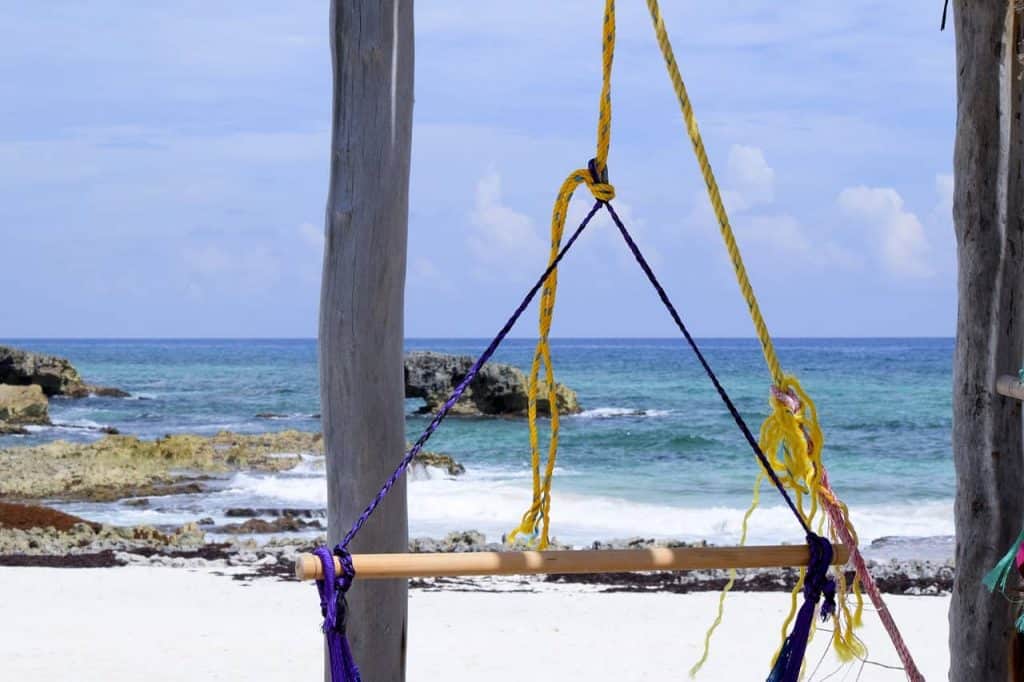
Colorful hammock hanging on wooden posts overlooking a clear ocean beach with rocks, perfect for relaxation at Stingray Villa in Cozumel.

An Afternoon Out on Cozumel Nude Beach

Cozumel’s Hidden Shore: A Beach Guide for the Free-Spirited

So, you’re coming to Cozumel. Fantastic choice. You’ve probably got a list of things to do: dive the Palancar Reef, wander through San Miguel, maybe even indulge in a tequila tasting or three. But what if you’re looking for something a little… different? Something a bit more off the beaten path, where the dress code is, shall we say, flexible?

You’re wondering about nude beaches.

After calling this beautiful island home for the better part of a decade, I’ve seen that question pop up more times than I can count. And the answer isn’t a simple yes or no. It’s more of a “yes, but…” which, honestly, makes it all the more interesting.

Let’s get one thing straight right off the bat: Cozumel doesn’t have official, government-sanctioned nude beaches like you might find in parts of Europe or the Caribbean. This is, by and large, a family-friendly island. But does that mean you have to be bundled up from neck to ankle everywhere you go? Absolutely not. There are pockets of freedom, quiet stretches of sand, and laid-back beach bars where the vibe is less about rules and more about, well, relaxing.

So, if you’re looking to trade your tan lines for an all-over glow, you’ve come to the right place. This isn’t a guide to the tourist traps. This is a guide to finding your own little slice of paradise, Cozumel’s hidden shore.

Before You Go: The Unwritten Rules of Sunbathing in Cozumel

Okay, let’s have a quick, honest chat about the legal and cultural side of things. Technically, public nudity is illegal in Mexico.

But—and this is a big but—on an island that thrives on tourism, context is everything. The police aren’t exactly patrolling the remote eastern beaches looking for topless sunbathers. They have much better things to do. On the popular, crowded beaches of the west side, like Paradise Beach or Playa Mia, going topless would definitely raise some eyebrows and might get you some unwanted attention. It’s just not the vibe there.

The east side of the island, however, is a different world. It’s the “wild side,” rugged and untamed, with long, windswept stretches of sand where you might not see another soul for hours. This is where the unwritten rules apply. It’s a culture of “live and let live.”

The golden rule is simple: be discreet and respectful. If you find a secluded spot, you’re almost certainly fine. If you’re at a beach bar that’s known for being a bit more liberal, read the room. If no one else is letting it all hang out, maybe it’s not the day for it. It’s all about being mindful of the local culture and the other people around you. Common sense and a little courtesy go a long way.

Getting There: Your Chariot to the Wild Side

Most of the spots we’re going to talk about are on the East Coast. If you’re staying on the west side or coming off a cruise ship, how do you get there?

Your best bet is a taxi. They’re everywhere, the drivers know exactly where these places are, and it’s a hassle-free way to cross the island. From the cruise terminals, you’re looking at a scenic 20–30 minute drive. A ride to Mezcalitos or Coconuts will probably run you about $20-$30 USD.

For the more adventurous, renting a Jeep for the day is the ultimate way to explore. It gives you the freedom to pull over wherever you see a patch of sand that calls to you. There’s nothing quite like cruising down that long, empty coastal road with the wind in your hair, looking for your own private beach. Just be aware that phone service on the east side can be spotty, so make sure you’ve got a plan for your return trip.
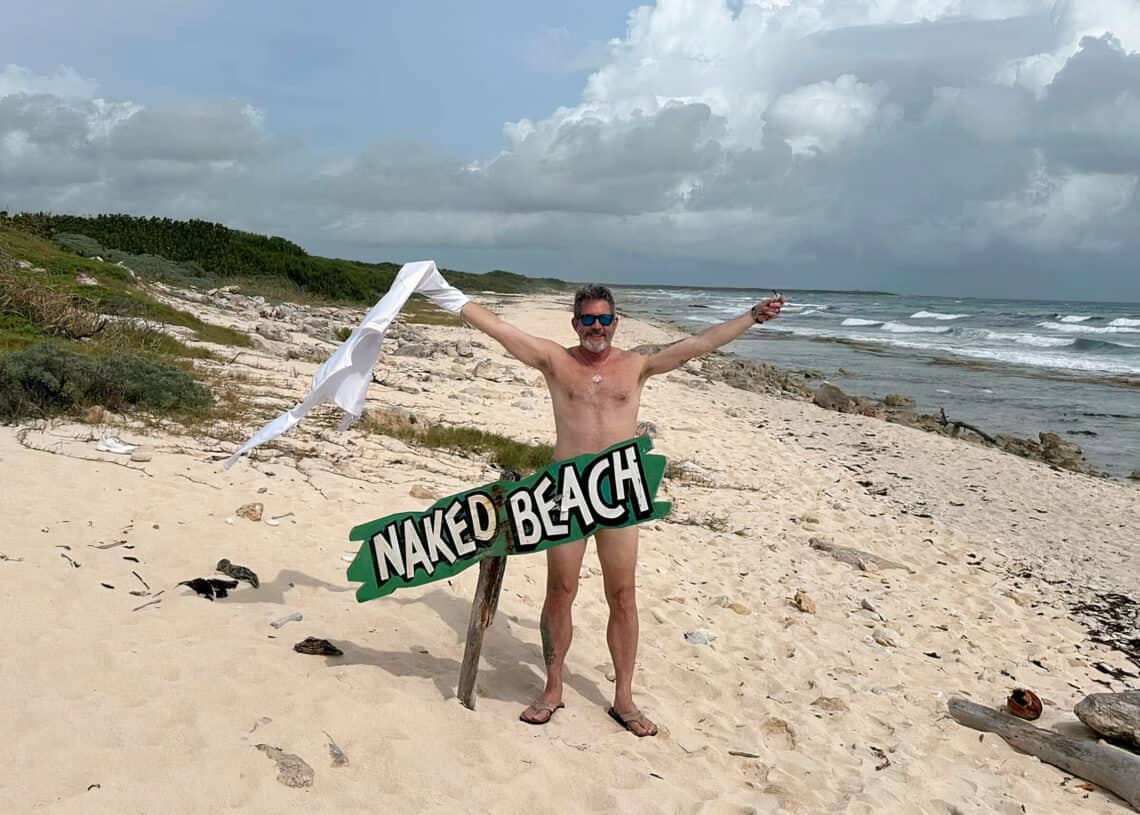
Bright sunny day at a private beach in Cozumel, Mexico, with a man celebrating at Naked Beach sign, surrounded by sandy shores, ocean waves, lush greenery, and a cloudy sky.

The Legendary Spots: Where to Let Your Hair (and Everything Else) Down

Alright, let’s get to the good stuff. These are the places that have built a reputation for their carefree, anything-goes atmosphere.

Mezcalitos Bar & Grill: Home of That Sign

You can’t really say you’ve “done” the east side until you’ve stopped at Mezcalitos. It’s an institution. For over two decades, this place has been serving up some of the best fresh seafood, killer nachos, and dangerously good margaritas on this side of the island.

But what it’s really famous for is the iconic “Naked Beach” sign just north of the bar.

Now, does this mean you’ll see a beach full of naked people? Probably not. The sign is mostly a fantastic photo opportunity, a bit of cheeky fun that tourists love. But it sets a tone. It says, “Hey, we don’t take ourselves too seriously here.” The stretch of beach by the sign is a great place to lay out your towel. I’ve seen people sunbathe and swim nude here without anyone batting an eye. The vibe is fun, loud, and social. If you’re looking for a quiet, introspective experience, this might not be it. But if you want to kick off your sandals, grab a strong drink, and soak up some sun with a bit of playful energy, Mezcalitos is your first stop.

Coconuts Bar and Grill: The Clifftop Hideaway

A little further down the road, perched on the highest rocky point on the island, is Coconuts. You have to climb a winding staircase made of coral rock to get there, but the view from the top is absolutely worth it. It’s breathtaking.

Coconuts is legendary. It’s the kind of place where license plates and old t-shirts from visitors around the world hang from the ceiling, and a couple of friendly dogs wander around looking for head scratches. It was famously a hangout for Bill Murray when he was on the island. The atmosphere is pure, laid-back tropical friendliness.

So, what about the topless situation? Coconuts has an “anything goes” spirit. While the bar itself isn’t a nudist colony, the staff is known for being incredibly welcoming. They’re proud of their fun-loving reputation. In fact, there’s a long-standing, lighthearted tradition here: if you’re bold enough to pose for a topless photo (for their scrapbook, of course), you might just earn yourself a free shot of tequila. It’s all in good fun.

If posing for pictures isn’t your thing, no problem. Just find a spot on the beach below the cliff, get comfortable, and enjoy the sun. The staff at Coconuts want you to have a good time, your way.

Freedom in Paradise: Live Up to the Name

Just across the road from the quirky, reggae-themed Rastas Bar (run by the same family) is Freedom in Paradise. The name says it all, doesn’t it?

This spot is famously topless-friendly. While most visitors stick to their swimsuits, you will absolutely not be out of place if you decide to ditch your top on this stretch of sand. No one will care. There’s no pressure, no weirdness. It’s just a genuinely relaxed beach bar where you can be yourself.

Like at Coconuts, you might find that a little boldness is rewarded. The friendly bartenders have been known to slide a free tequila slammer your way for embracing the “freedom” vibe. It’s just part of the playful culture of the East Coast. It’s about 15 miles from the cruise port, making it an easy taxi ride and a popular stop for people making a day of exploring the wild side. The energy is chill, the drinks are cold, and the beach is yours to enjoy, top or no top.

For True Solitude: Finding Your Own Private Paradise

Okay, the beach bars are fun, but what if you’re looking for genuine privacy? What if you want to read a book, listen to the waves, and not see another person for an hour?

That, my friend, is the real magic of Cozumel’s east coast.

Rent a jeep (not a scooter) and just drive. Between the main beach clubs, there are miles of coastline with countless little turn-offs leading to deserted stretches of sand. These are your spots. Pack a cooler with drinks and snacks, bring a good towel, and claim your own piece of the Caribbean for the afternoon. Here, there are no rules but your own.

A couple of words of caution for these solo adventures:

  • The Surf is Rough: The East Coast faces the open ocean. The currents can be strong and dangerous. This is not the calm, placid water of the west side. Be extremely careful if you decide to go for a swim.

  • Be Prepared: Bring more water than you think you’ll need, along with plenty of sunscreen and a hat. There is very little natural shade. As mentioned, cell service is unreliable, so don’t count on being able to call for a ride back. Have your transport arranged beforehand.

Another solid option is Palancar Beach, way down on the southwest side. While it’s a public beach club, if you walk far enough south from the main entrance, the crowds thin out dramatically, and you can often find a quiet spot all to yourself.

Other East Side Gems (Fully Clothed, Please!)

While you’re exploring the wild side, there are a couple of other must-see spots that are worth a visit, even if they are strictly swimsuit-required.

  • Playa Chen Rio: This is one of the most beautiful beaches in all of Mexico, and one of the few truly swimmable spots on the east coast. A huge rock formation creates a natural, protected tide pool with calm, crystal-clear water. It’s perfect for families and anyone who wants a safe dip in the ocean. There’s a great little restaurant here, too.

  • Punta Sur Eco Beach Park: If you love nature, you have to go to Punta Sur. It’s a massive ecological park at the southern tip of the island. You can climb the historic lighthouse for incredible views, take a boat tour of the lagoon to see crocodiles, and explore pristine, protected beaches. It’s a full day of adventure.

A Few Final Tips for a Perfect Day

  1. Be Respectful. I know I’ve said it before, but it’s the most important thing. Be mindful of who is around you. Don’t take photos of other people without explicit permission. Keep your voice down. Just be a good human.

  2. Take Your Time. Don’t try to rush from one spot to the next. The magic of the east side is in its slow, relaxed pace. Linger. Enjoy the moment. Feel the sun on your skin and the sand between your toes.

  3. Pack Smart. Sunscreen (a lot of it), a hat, sunglasses, a towel, a good book, and plenty of water. A small cooler is your best friend.

Cozumel’s naturist scene isn’t about flashy resorts or designated nudist zones. It’s quieter, more personal. It’s about the freedom to find a deserted stretch of coastline, lay down your towel, and feel completely, utterly at peace with the world. It’s about discovering the wild, untamed heart of the island, far from the crowds.

So go explore. Be safe, be respectful, and enjoy the sun.

Why Book With Us?

Book through this website; we guarantee you’ll get the lowest price online. You’ll be dealing directly with us, the owners, and we never charge booking fees, so you will save up to 30% compared to sites like Airbnb. Book our Couple’s accommodation in Cozumel here.

An Afternoon Out on Cozumel Nude Beach Read More »

Spacious parking lot with cars in front of Cinépolis cinema, a popular entertainment destination in Cozumel, Mexico.

What’s On At The Cinema on Cozumel

The Strangest (and Smartest) Thing to Do in Cozumel: Go to the Movies

Okay, let’s be real. You’re in Cozumel. You’re on vacation. The sun is blazing, the water is that shade of turquoise that looks fake, and the last thing on your mind is… going to sit in a dark room for two hours?

It sounds a little crazy. Why would you trade a beach chair for a stadium seat?

I get it. But hear me out.

Sometimes, usually about day four or five, you just need a break. The sun is hotter than you packed for. You’ve had all the beach time you can handle. Or maybe, just maybe, that afternoon thunderstorm rolled in and scuttled your snorkel plans.

This is when you discover one of the island’s best-kept secrets. For many of us who live here (and for savvy visitors), a trip to the cinema isn’t just a rainy-day backup. It’s a fantastic, air-conditioned, and shockingly cheap way to feel normal, escape for a bit, and see that blockbuster you’ve been meaning to catch.

For some, it’s an obsession. For others, it’s just a nice way to let reality melt away and get replaced by someone else’s problems for two hours.

It’s a Bigger Deal Here Than You Think

First, you need to understand: movie-going in Mexico is popular. Like, really popular, even with streaming and everything else.

When a big movie hits—think the next Avatar or a massive Marvel flick—the theaters are packed. It’s an event. For the first week after a major release, getting decent seats at a convenient time is a serious sport.

So, here’s your first piece of actionable advice: If you’re trying to see a hot ticket, you must arrive at least 45 minutes early. I’m not kidding. Otherwise, you’ll get stuck in the very front row, craning your neck like you’re 15 years old again.

For the rest of us, who are just looking for a casual Tuesday afternoon film? It’s bliss.

The Main Players: Where to Go

You have options! Cozumel has a couple of excellent, modern cinemas.

The two main ones you’ll hear about are Cinepolis and Cinemex.

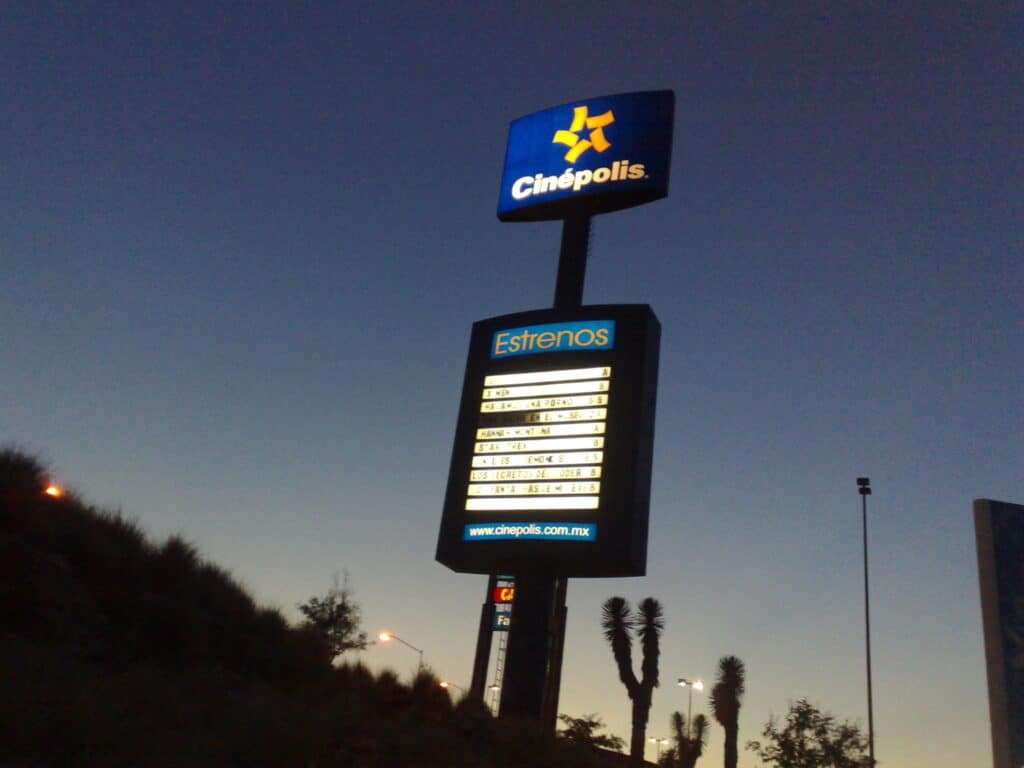
Cinepolis Cozumel is the one most locals (including me) go to. You can’t miss them; they are right next to the Chedraui supermarkets. These are proper, full-on cinemas. They have bright, snazzy mezzanines, lush interiors, and even the bathrooms are weirdly classy. You’ll often see the lit-up sign at dusk, a landmark near the waterfront.

Cinemex is the other big player, located right in the Punta Langosta shopping center, which is handy if you’re already downtown.

Both are great. Both are clean. Both are modern. You really can’t go wrong.

Cinépolis movie theater sign at dusk in Cozumel, Mexico, showcasing local entertainment options near Stingray Villa vacation rental.

The Price (This Is Not a Typo)

Alright, this is the part that will shock you, especially if you’re visiting from the U.S., Canada, or the UK, where you practically need to take out a small loan to buy a ticket and a small popcorn.

We are lucky enough to see first-run, brand-new movies for… wait for it… Approximately $4 USD.

Yes. Four dollars.

I’ll let that sink in.

It’s the best deal on the island, full stop. For the price of a fancy coffee, you get two hours of entertainment in a clean, modern, comfortable theater. When tourists find this out, they are genuinely astonished.

The Experience: What to Expect Inside

This isn’t some tiny, second-run island theater. This is the real deal.

1. The Seating

The theaters (Cinepolis has seven) feature stadium-style seating. Hallelujah.

Nothing kills a movie faster than the shadowed bust of the six-foot-three-inch theatergoer who decides to sit directly in front of you. That problem just doesn’t exist here. The seats themselves are comfortable, they recline, and there’s plenty of legroom.

2. The Language (This is Important)

“But will the movie be in English?”

Yes! This is the most common question. Almost all major Hollywood blockbusters are shown in their original language (English) with Spanish subtitles.

It’s the best of both worlds. It’s great for locals and perfect for visitors. You get the original audio, and after about five minutes, you don’t even notice the text at the bottom.

3. The Popcorn

You have to check out the popcorn selection. They have the classic, salty, buttery bag of perfection, which is my go-to. But they’ve also got caramel corn and, my personal guilty pleasure, a half-and-half bag of both. Add a slushy (they call them ICEE) and you’re all set.

4. The Vibe

This is the single greatest life hack for a Cozumel summer day: the air conditioning. The AC is powerful. It’s a glorious, refreshing escape from the humidity. You’ll want to bring a light sweater.

And, I have to say it again: the bathrooms are pristine. As someone in my 40s, I really appreciate a clean bathroom.

How to Do It: The Logistics

It’s all very simple.

When to Go: If you want to avoid crowds, go for a matinee before 5 pm. You might be one of only ten people in the theater. It’s fantastic. If you wait until the 7 pm or 8 pm shows, especially on a weekend, you’re rolling the dice. It can get busy.

Getting Tickets: Cinepolis Cozumel has a website. Be warned: it’s in Spanish. There’s an “English” option, but it just translates the movie’s title and running time, which is all you really need. You can buy tickets there (prices are in Mexican pesos) or just walk up to the counter.

Location & Hours:

  • Where: Av. Rafael E. Melgar 1001 (right by Chedraui).

  • When: The cinema is typically open from 10 am to midnight, every day.

They show all the latest Hollywood blockbusters, but also sprinkle in independent films, art films, and sometimes even classics.

A 2-Hour Vacation From Your Vacation

Look, I love the beach. But I’m also a big film fan, and my wife and I do this at least once every two weeks.

It’s a way to feel connected, to see that movie everyone’s talking about, and just… sit. It’s a pleasant afternoon or evening away from the beaches and restaurants.

The only real drawback? If you have young kids, finding a babysitter for just a two-hour movie can be a challenge.

But if you’re looking for a different kind of island experience, one that’s ridiculously affordable, comfortable, and refreshingly cool, you can’t beat it.

Why Book With Us?

Book through this website; we guarantee you’ll get the lowest price online. You’ll be dealing directly with us, the owners, and we never charge booking fees, so that you will save up to 30% on the cost compared to sites like Airbnb. Book our Accommodation near the beach in Cozumel here.

What’s On At The Cinema on Cozumel Read More »

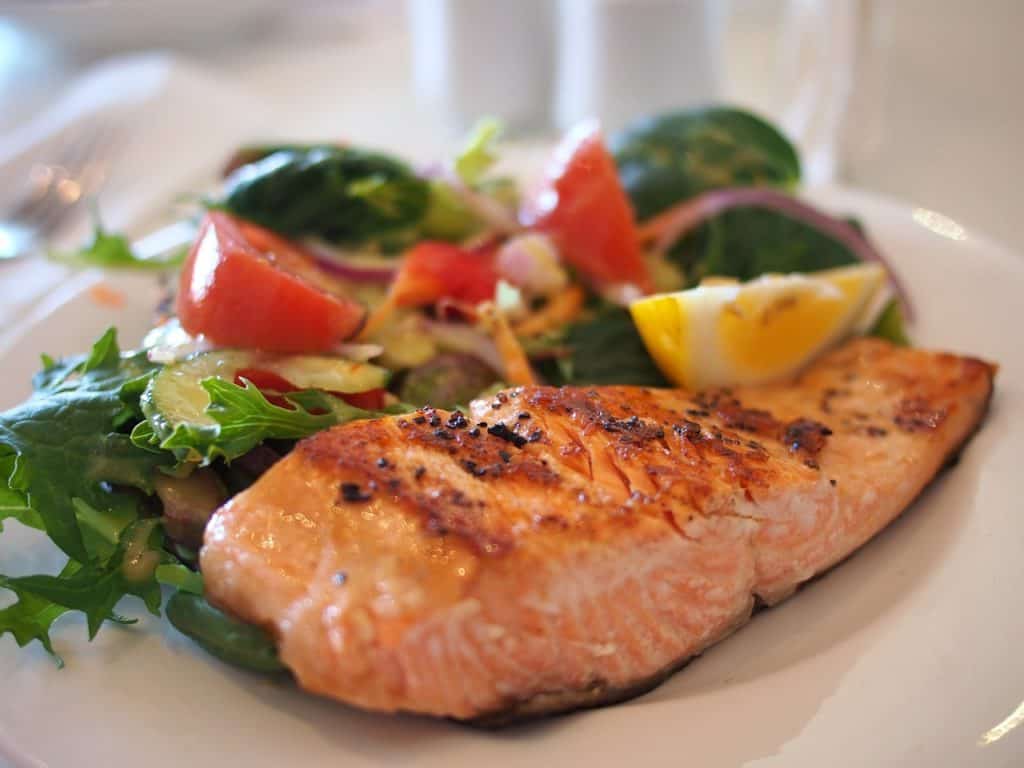
Freshly grilled salmon served with a side of mixed greens salad and lemon wedge, perfect for a healthy seafood meal at Cozumel.

The best seafood restaurant on Cozumel

Finding the Real Deal: A No-Nonsense Guide to the Best Seafood in Cozumel

Let’s be honest. When you’re in your 40s or 50s, you’ve eaten enough mediocre meals to last a lifetime. You’re standing in Cozumel, the Caribbean sun is warming your face, the water is an impossible shade of blue, and you want seafood.

But you don’t want the bland, overpriced “catch of the day” from the tourist-trap restaurant on the main strip. You know the one—it has a giant, laminated menu with pictures.

You want the real stuff.

You want the kind of place the locals guard like a secret. The spots where you can practically hear the fishermen dropping off their haul at the back door. The air smells like salt and lime, not just sunscreen. Finding that perfect spot… that’s the real vacation win. It’s not just about a meal; it’s about finding something authentic.

So, how do you find it on an island that’s buzzing with options? Let’s talk about it.

What “Best” Actually Means on the Island

Here’s a little secret: Cozumelanos (the locals) are wonderfully picky. They have high standards for everything.

They know who makes the best pan (bread). They know where to get the perfect tacos. They understand that a proper breakfast comes with traditional dishes, great beans, and strong coffee.

Seafood is no different. Locals will absolutely travel from one side of the island to the other for a plate of fish that’s worth it. When they search for the “best,” they aren’t looking for fancy tablecloths. They’re looking for a few key things:

  1. Freshness is everything. This is non-negotiable. We are talking “still swimming this morning” fresh.

  2. It has to be authentic. They want dishes from the region. This is where you might see that great local bread show up again, maybe in a torta (sandwich) or served alongside a pile of crispy fried seafood.

  3. The vibe matters. This isn’t about stiff, formal service. It’s about a place feeling right. It’s got to be relaxed. Maybe it’s an excellent spot for people-watching, or the staff treats you like a regular. It’s that energy that’s so hard to define.

  4. It’s about value, not price. This is a crucial distinction. It doesn’t mean “cheap.” It means getting incredible, high-quality food for a price that feels fair. They don’t skimp on quality, and you shouldn’t either.

Hungry pescavores (a fancy word for seafood lovers) don’t have to look too hard. No matter where you are when hunger strikes, there’s a good chance fresh fish is nearby. You have to know what to look for.

The Reigning Champion: La Conchita del Caribe

If you’re looking to impress, or you want a guaranteed home run, there’s one name that comes up again and again: La Conchita del Caribe.

This place has reportedly been the standard for seafood in Cozumel for something like 20 years. In the restaurant business, 20 years is like 100 in normal-people years. That staying power doesn’t happen by accident.

It’s a direct result of their obsession with quality and getting every detail right. You can feel it on every plate.

The menu isn’t static; it rotates based on what the fishermen bring in, which is precisely the conversation you want your restaurant to be having. You can always count on house classics, like a perfectly crispy Pescado Frito (whole fried fish), but the real magic is in the daily specials.

The atmosphere is just… right. It’s busy, sure, but it never feels hectic. It’s cozy. The open kitchen adds to the energy, letting out all those great sounds and smells. It just gives you those warm fuzzies, even before the food hits the table.

So, what should you order?

Honestly, you could close your eyes and point at the seafood menu, and you’d probably be happy. But if you’re stuck, let me make a few suggestions.

Start with the ceviche. It’s piquant, bright, and absolutely packed with fresh seafood. The seafood cocktail is another classic winner. For the most part, you really have to try one of the grilled fish selections. If they have Dorado (that’s mahi-mahi) on the list, get it. It will arrive at your table perfectly grilled, white, and flaky.

They also serve fantastic garlic shrimp, soft drinks, and ice-cold cervezas. This is the traditional, authentic Mexican seafood you were dreaming about on the plane. They take the best ingredients from the area, like the famous pulpo (octopus), and prepare them in a way that lets the ingredients shine.

This is the place that makes Cozumel’s seafood fashionable, but it’s one of the rare spots that actually lives up to all the hype.

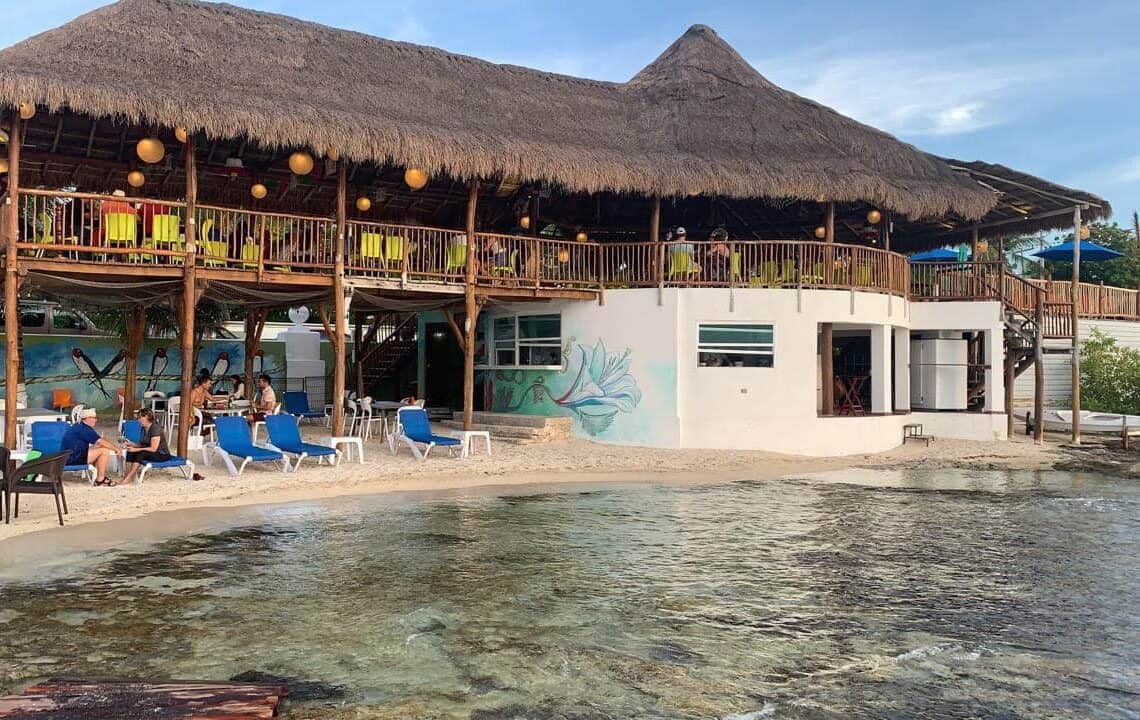
Vibrant beachfront bar La Monina in Cozumel, Mexico, with ocean views and tropical decor, perfect for relaxing vacation stays.

But Wait, There’s More…

La Conchita is a fantastic, reliable star. But it isn’t the only story. Part of the joy of traveling is discovering your spot. Cozumel’s seafood scene has layers, and the other layers are just as delicious.

The “Hole-in-the-Wall” Legend

This is the place you would 100% walk right by if you didn’t know better. It’s probably got plastic chairs, a handwritten menu on a whiteboard (if there’s one at all), and maybe only five items.

This is where you get that one perfect dish. Maybe it’s a coctel de camaron (shrimp cocktail) that’s more shrimp than cocktail. The owner is probably also the cook, and they’ve been making it the same way since 1995.

How do you find it? Look for a tiny, hand-painted sign down a side street. Or, better yet, ask a taxi driver where he eats when he’s off duty.

The “Toes-in-the-Sand” Shack

Then you have the classic beach shack. This experience is less about culinary wizardry and more about the moment.

You’ve just climbed out of the water. You’re salty, sun-drenched, and a little tired. You’re eating a whole grilled fish with your feet buried in the cool sand.

Is it the most complex meal you’ll ever have? No. Is it one of the most memorable? Absolutely. The key here is simplicity: a whole fish, a generous squeeze of lime, a cold beer, and a view that can’t be beaten.

Your Toolkit: How to Find Your Own “Best”

Okay, so you’re on the hunt. You’re ready to explore. How do you separate the real-deal gems from the traps?

Here’s a simple checklist.

  • 1. Look for a Short Menu. A giant, leather-bound menu that’s 10 pages long (and in five languages) is a bad sign. It means “freezer.” A small, focused menu—maybe on a chalkboard or a single sheet of paper—means “fresh.”

  • 2. Follow the Locals. This is the oldest trick in the book because it works. If a place is packed with families speaking Spanish at 2 PM on a Tuesday, you’re in the right spot. If it’s empty except for other sunburned tourists, keep walking.

  • 3. Ask “What’s Fresh Today?” Don’t just ask “what’s good?” Get specific. Ask what came in today. A good waiter will light up and tell you, “The Dorado is beautiful,” or, “The pulpo is fantastic right now.” If they just vaguely point at the menu… that’s a red flag.

  • 4. Trust Your Gut. You’re old enough to have a pretty good gut instinct. Does the place smell good? Does it sound happy? Does it feel clean? If a place feels “off,” it probably is.

The Real Catch

Finding the best seafood in Cozumel is more than just ticking a box on a travel blog’s list. It’s a treasure hunt.

It’s about that moment you take the first bite of ceviche and the lime and cilantro hit your tongue. It’s about the crunch of that perfectly fried fish. It’s about finding a place that feels real, because, frankly, you’re past the point of settling for anything else.

So, get out there. Be curious. Walk down that side street. And let me know what you find.

Why Book With Us?

Book through this website; we guarantee you’ll get the lowest price online. You’ll be dealing directly with us, the owners, and we never charge booking fees, so that you can save up to 30% on the cost compared to sites like Airbnb. Book our Couples retreat in Cozumel here.

The best seafood restaurant on Cozumel Read More »

A beach with orange seaweed on the sand

Does Cozumel Have a Seaweed Problem?

Does Cozumel Have a Seaweed Problem? – What Travelers Should Know About Sargassum

Does Cozumel have a seaweed problem?

Yes, Cozumel gets sargassum, but the side of the island matters enormously. From what Greg and I have seen living here, the western shore is free of noticeable seaweed about 90% of the time, even when parts of Playa del Carmen, Tulum, and Cancun are dealing with heavy arrivals.

The question I hear over coffee

One question comes up every sargassum season: “How bad is the seaweed in Cozumel?”

I understand why people ask. After spending months planning a Caribbean vacation, nobody wants to arrive and find a beach covered in brown seaweed.

But here’s what I tell people: don’t think of Cozumel as one big beach.

Greg and I live here, and we’ve watched the difference between the island’s eastern and western sides year after year. In our experience, the western shore is free of noticeable sargassum about 90% of the time. Meanwhile, we’ve seen periods when beaches along Playa del Carmen, Tulum, and Cancun were heavily covered, and the water looked almost like tea.

That’s our observation, not a scientific 90% statistic. And I think that distinction matters.

The official CONABIO SATsum sargassum monitoring system now makes the same larger point from a scientific perspective: conditions can be dramatically different between coastal areas at the same time. Its current forecasting system even divides Cozumel into separate coastal zones rather than treating the island as one uniform beach.

So, does Cozumel get seaweed?

Yes.

Does that mean your Cozumel vacation will be ruined?

Not necessarily. In fact, if you’re coming here to scuba dive, the answer may be very different from what you’d expect.

Which side of Cozumel gets the most sargassum?

Cozumel’s eastern and southeastern shores are more exposed to incoming sargassum than the western coast. Most of the island’s popular swimming areas, hotels, and scuba diving operations are on the western side, which is more sheltered from the open Caribbean.

This is one of those geography lessons that makes much more sense on a map.

The eastern side of Cozumel faces the open Caribbean. The western side faces the mainland and is much more protected.

That doesn’t create a magic force field around the island. Wind, currents, and ocean conditions still matter. But it helps explain why you can see substantial sargassum on one side of Cozumel while the water looks completely different somewhere else.

The latest SATsum forecast from CONABIO is a good example. Its September 23, 2026 forecast rated the northern and northwestern Cozumel area as low risk, while the southeastern Cozumel zone was rated extreme. Playa del Carmen was rated high in the same forecast.

That is a much more useful way to think about sargassum than saying, “Cozumel has seaweed” or “Cozumel doesn’t have seaweed.”

Both statements can be misleading.

The important word here is exposure.

It’s not about Cozumel somehow being immune to sargassum. It isn’t.

Area

Typical exposure

What travelers should know

Western Cozumel

More sheltered

Main area for swimming, hotels and scuba diving

Eastern Cozumel

More exposed

Can receive much heavier sargassum

Southeastern Cozumel

More exposed

Conditions can be substantially different from western beaches

Playa del Carmen

Exposed mainland coast

Can experience heavy beach accumulation

Tulum

Exposed mainland coast

Often affected during major sargassum arrivals

Cancun

Varies by beach

Conditions can differ considerably along the coast

sea turtle resting on sandy beach with ocean waves in background, marine wildlife, tropical vacation, coastal scenery, in Cozumel.

Is Cozumel better than Playa del Carmen for avoiding seaweed?

Cozumel and Playa del Carmen are close neighbors, but their beaches can look completely different on the same day. The reason is largely geographic, with wind, currents and local beach orientation affecting where floating sargassum eventually washes ashore.

I’ve seen this myself many times.

We’ll have guests arrive worried because they’ve been watching photos from Playa del Carmen or Tulum. Then they walk down to the western side of Cozumel and see clear Caribbean water.

That’s one reason I don’t like blanket statements about an entire region.

The University of South Florida Sargassum Watch System tracks floating sargassum across the Caribbean using satellite observations. Its data can show where the larger masses are moving, but what happens when that material reaches a particular beach depends on local conditions, too.

And this is where Cozumel’s geography really matters.

If you’re comparing Cozumel with Playa del Carmen because you’re worried about seaweed, don’t just compare the two destination names. Compare the actual coastlines you’re likely to use.

What month is sargassum worst in Mexico?

There isn’t one guaranteed worst month for every Mexican beach. The Mexican Caribbean generally sees more sargassum during the warmer months, but the timing and severity change from year to year.

This is one of those travel questions where I wish there were a simple answer.

“August is the worst.”

There. Done.

Except nature doesn’t work that way.

Research published in Aquatic Botany found substantial seasonal and year-to-year variation in sargassum arriving along the Mexican Caribbean. More recent CONABIO data also shows how unusual individual years can be.

So if you’re planning a June, July or August vacation, I’d pay attention to sargassum reports. But I wouldn’t automatically cancel a trip because a calendar says it’s “sargassum season.”

For a couple who comes to Cozumel primarily to scuba dive, I’d look at the whole picture.

Where are you staying?

Which side of the island will you use?

What activities matter most to you?

And what are conditions actually doing when you’re here?

Those questions tell you much more than a generic seasonal chart.

Weathered seaweed line on the pristine beach at Tulum, with turquoise waters, tropical palm trees, and visitors enjoying the scenic shoreline.

Is seaweed bad in Cozumel right now?

The honest answer is: it depends on where you are looking. Sargassum conditions can change quickly, and the eastern and western sides of Cozumel can look very different at the same time.

That is why I don’t want this article to pretend it can tell you what every Cozumel beach will look like six months from now.

For current conditions, I would check the CONABIO SATsum system and the University of South Florida Sargassum Watch System.

CONABIO’s system is particularly useful because it includes current satellite observations, coastal webcams, and a 10-day drift forecast. The forecast is probabilistic, so it isn’t a promise about what will happen on a particular beach, but it can give travelers a much better picture than an old blog post.

And that’s really the point.

If you’re booking a trip for next year, look at historical patterns. If you’re arriving next week, check current information. If you’re standing on the beach this morning, look at the beach.

Simple, right?

How bad is sargassum in Playa del Carmen right now?

Playa del Carmen can experience substantially heavier sargassum than western Cozumel because of its position along the mainland Caribbean coast. But even Playa del Carmen isn’t one uniform beach, so you need to check current conditions by location and date.

This is another place where social media can make things confusing.

One person posts a photo of a beach covered in sargassum, and suddenly everyone assumes the entire Riviera Maya looks the same.

That’s not necessarily true.

A recent CONABIO forecast illustrates the problem nicely. Different Quintana Roo coastal zones can receive very different forecast levels during the same period.

So if you’re deciding between Playa del Carmen and Cozumel, don’t just ask, “Which destination has more seaweed?”

Ask, “Where exactly will I be swimming?”

That small change in the question can lead to a much more useful answer.

Can I still scuba dive in Cozumel during sargassum season?

Absolutely. For scuba-diving couples, sargassum on a beach doesn’t automatically mean your diving vacation is in trouble.

This is probably the most important point I’d make to someone coming to Cozumel specifically for diving.

Sargassum is a floating marine plant. When large quantities wash onto a beach, that’s where travelers notice it most. Your dive trip, however, depends on the conditions at the dive site, the boat route, wind, waves, currents, and visibility. That isn’t the same as whether one beach has a pile of seaweed.

I’ve had plenty of conversations with guests who arrive worried about sargassum because they’ve seen photos from the mainland. Then they spend their vacation diving, snorkeling, eating downtown, and exploring Cozumel, and the seaweed turns out to be a much smaller part of their experience than they expected.

That’s one reason I think Cozumel makes sense for couples who aren’t coming here to sit on one beach for seven days.

If you’re underwater in the morning, having lunch downtown, walking along the malecón in the afternoon, and enjoying dinner together that evening, your vacation isn’t dependent on whether every beach looks like a postcard.

Which beaches in Mexico have no seaweed?

I wouldn’t promise that any Mexican Caribbean beach will have no sargassum. Beaches sheltered by geography or located away from the main areas of sargassum transport can often have much less, but conditions change with currents, wind,d and weather.

You’ll find plenty of articles promising “sargassum-free beaches.”

I’m always a little cautious about that wording.

A beach can be clear today and have sargassum tomorrow. Another beach can have seaweed in the morning and look much better later in the day.

The NOAA and University of South Florida sargassum monitoring is much more useful for understanding the broader movement of sargassum than a permanent claim that one beach is immune.

And this is another reason I prefer the phrase “less affected” rather than “seaweed-free.”

It’s more accurate.

What does sargassum actually mean for a Cozumel vacation?

For most travelers, sargassum is a beach-condition issue, not a reason to cancel an entire Cozumel vacation. If you’re here to scuba dive, snorkel, explore downtown, eat local food, and see different parts of the island, you have plenty of options.

Cozumel isn’t just a beach.

That’s easy to forget when you’re planning a Caribbean vacation from a laptop.

You see turquoise water in a photograph and imagine that every square foot of the island looks like that every day.

But we live here.

The island has reefs, mangroves, jungle, wildlife, restaurants, neighborhoods, fishing boats,s and two very different coastlines. Sometimes the water is perfectly calm. Sometimes the wind picks up. Sometimes there’s sargassum.

And sometimes you wake up, make a cup of coffee, look outside and think, “Yep. I still can’t believe we get to live here.”

That’s the Cozumel I want our guests to experience.

If you’re a couple in your 40s or 50s who’d rather spend the morning scuba diving than worrying about whether every inch of sand looks perfect, I’d look at Cozumel a little differently.

Don’t ask only whether the island gets seaweed.

Ask where it gets it, when it gets it, and what you actually want to do while you’re here.

That tells you much more.

Where to stay in Cozumel, Mexico → Cozumel neighborhood and accommodation guide

Scuba diving in Cozumel → Cozumel diving guide

Things to do in downtown Cozumel → downtown Cozumel guide

Adults-only vacation in Cozumel → couples and adults-only Cozumel guide

Frequently Asked Questions

Yes, Cozumel gets sargassum, particularly along its more exposed eastern and southeastern coastline. The western side is often much less affected, but conditions vary with wind, currents and weather.

The Mexican Caribbean generally experiences greater sargassum activity during the warmer months, but there isn’t one month that is guaranteed to be the worst every year. June through August can be important months to watch, but current monitoring is more useful than relying on a calendar alone.

It depends on the part of Cozumel you’re visiting and the current ocean conditions. Check current CONABIO SATsum monitoring and recent local beach information before making a decision based on today’s conditions.

The two destinations can experience very different sargassum conditions at the same time because their coastlines have different exposure to the Caribbean. Western Cozumel is often less affected than exposed mainland beaches, but neither destination can honestly be guaranteed to be sargassum-free.

Does Cozumel Have a Seaweed Problem? Read More »

Scroll to Top