
What NOT to Do in Cozumel: 25+ Costly Mistakes Smart Travelers Avoid
Look, Cozumel is paradise. It just is. The water is that impossible shade of electric blue, the tacos are life-changing, and the vibe is generally “no worries.” But here’s the thing—paradise has its own set of rules, and if you don’t know them, you can burn through your vacation budget (and your patience) pretty fast.
I’ve seen it a hundred times. A couple in their 40s arrives, ready to relax, only to get scammed on a rental jeep, sunburned to a crisp on day one, or stuck in a timeshare presentation when they should be diving Palancar Reef.
Cozumel is one of the safest spots in the Caribbean, but it’s not Disneyland. It’s a real island with real hazards, confusing roads, and a few clever ways to separate tourists from their cash.
This isn’t about scaring you off. It’s about traveling smart. Based on years of watching visitors make the same errors—and making a few myself—here is the definitive guide on what NOT to do in Cozumel.
Quick Summary: What NOT to Do in Cozumel
- Don’t ignore ocean conditions, especially on the East Side
- Don’t assume public transportation exists everywhere
- Don’t miss the cruise ship all-aboard times
- Don’t exchange money at the airport or port
- Don’t drink tap water or underestimate the heat
- Don’t damage coral reefs or ignore reef-safe sunscreen rules
- Don’t ignore hurricane season planning
- Don’t rent Scooters
- Don’t leave your belongings unattended
Safety First: The Ocean and The Island
You’re here for the water. I get it. But the ocean here has two very different personalities, and mistaking one for the other is the single most dangerous error you can make.
1. Ignoring the “Wild Side” (East Side) Warnings
If you rent a car and drive across the island to the East Side, you’re going to see some of the most rugged, beautiful coastline in Mexico. It’s stunning.
But do not swim there.
Seriously. The East Side faces the open Caribbean. There are no reefs to break the waves, and the undertow is fierce. We’re talking rip currents that can pull a strong swimmer out to sea in seconds.
The Mistake: Seeing a deserted beach and thinking, “A quick dip won’t hurt.”
The Reality: There are no lifeguards. If you get in trouble, help is a long way off.
Do This Instead: Stick to the designated beach clubs on the East Side (like Chen Rio), which offer small, protected coves. Otherwise, keep your feet in the sand and a cold drink in your hand.
2. Playing Fast and Loose with Dive Rules
Cozumel is a diver’s Mecca. Drift diving here is like flying. But because the visibility is so clear (often 100+ feet), it’s easy to lose track of your depth.
Don’t: Chase a turtle down to 110 feet when you’re only certified for 60.
Don’t: Skip your safety stop because you’re “low on air” (bad planning).
Don’t: Fly within 24 hours of a dive. Decompression sickness—the bends—is nasty business. We have a hyperbaric chamber on the island, but you don’t want to see the inside. It’s expensive, and it ruins the trip. Trust your dive master.
3. Wandering Dark Alleys at 2 AM
Cozumel is safer than most US cities. You can walk the main drag (Melgar Avenue) or the square at night without looking over your shoulder. But let’s be reasonable. If you wander into unlit residential neighborhoods far from the tourist zone late at night, you’re asking for trouble. Not necessarily kidnapping-level trouble, but maybe just getting lost. The fix? If you’ve had a few margaritas and you’re outside the downtown core, just grab a taxi. They’re everywhere, and they’re cheap.
4. Leaving Your Stuff on the Beach
We all want to believe people are good. And mostly, they are. But if you leave your iPhone 15 and wallet on a towel while snorkeling for 45 minutes, they might not be there when you get back. This is mostly a crime of opportunity.
Pro Tip: Get a waterproof waist pouch for your cash and cards. Or, better yet, leave the expensive tech in your hotel safe. You’re here to disconnect, remember?
5. The “Pier Runner” Phenomenon
If you are visiting by cruise ship, this is critical. Ship time and local time aren’t always the same. I have watched grown men sprinting down the pier, shoelaces flapping, while the cruise ship slowly pulls away. It’s funny for the people on the ship. It is not funny for the guy on the pier. If you miss the boat, you are responsible for getting yourself to the next port of call or flying home. That is a multi-thousand-dollar mistake. Rule of thumb: Be back at the port one hour before the stated “all aboard” time. Not 15 minutes. One hour.
Getting Around: Wheels and Deals
Transportation in Cozumel confuses a lot of people. There’s no Uber. Let me repeat that: There is no Uber.
6. Assuming You Can Bus Everywhere
There is a local bus system (colectivos), but it’s designed for locals getting to work, not for tourists trying to reach a beach club. They don’t run on a strict schedule, they don’t go to the remote beaches, and they stop running early. Don’t plan your day around public transit unless you speak fluent Spanish and have zero deadlines.
7. The Taxi Fare “Surprise.”
Taxis here don’t use meters. It’s a zone system. The Mistake: Jumping in the cab, driving to your hotel, and then asking, “How much?” The Outcome: The driver might quote you a “tourist price” that’s double the actual rate. ** The Fix:** Always, always ask, “¿Cuánto cuesta a [destination]?” before you get in. If the price sounds high, check the printed rate card (usually in the front seat). And clarify if the price is total or per person (usually it’s for the ride, up to 4 people).
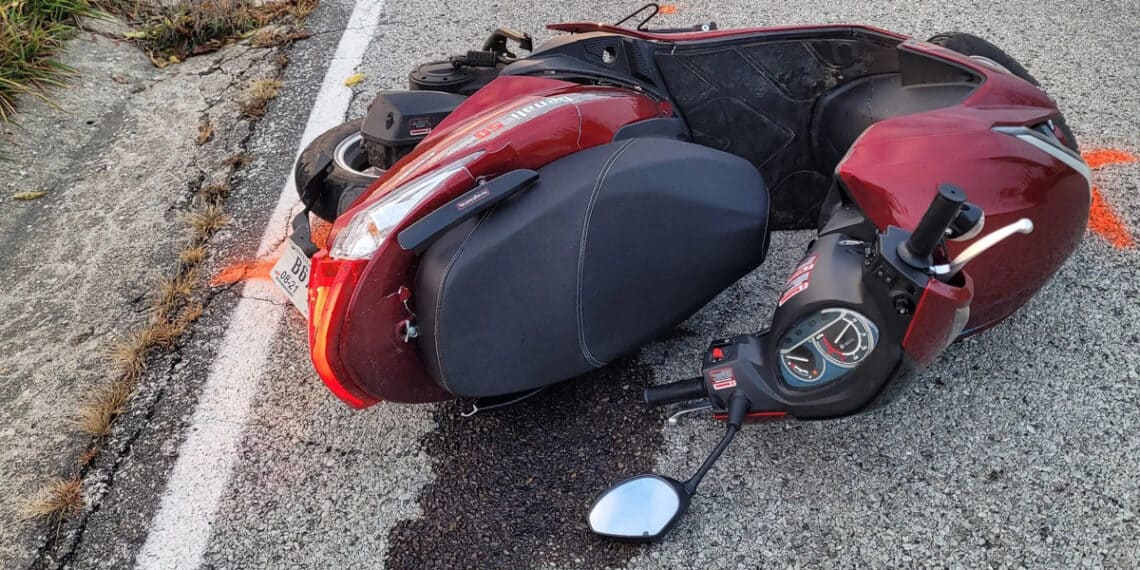
8. Renting a Scooter (Just Don’t)
This is a big one. You’ll see scooter rental places everywhere. They look fun. Like Roman Holiday, right? Wrong. Renting a scooter in Cozumel is arguably the most dangerous thing you can do here.
The Roads: They can be slick, full of gravel, or have potholes the size of a pizza.
The Traffic: Local drivers are aggressive and know the roads; you don’t.
The Insurance: Most scooter rentals have zero insurance. If you crash, you pay for the bike, the medical bills, and any damage to others. I see tourists with “Cozumel Tattoos” (road rash on their calves and elbows) every single week. It’s painful; it gets easily infected in the humidity, and it screams, “I made a bad choice.” Rent a jeep or take a taxi.
9. The Rental Car Deposit Scam
If you rent a car, use a reputable agency. Some fly-by-night operators will ask for a massive cash deposit or put a $2,000 hold on your credit card, then claim you scratched the bumper when you return it. Always take a 360-degree video of the car before you drive it off the lot. Point out every ding and dent to the agent.

Money Traps and Scams
You work hard for your money. Don’t throw it away.
10. Airport Money Exchange
Never exchange money at the airport kiosk. The rates are criminal. You are essentially paying a 15–20% convenience fee. Wait until you get into town.
11. The Random ATM
Avoid ATMs that are just standing alone on a street corner or in a dimly lit souvenir shop. These are prime targets for card skimmers. Do This: Only use ATMs inside a bank (HSBC, Santander, Banorte, etc.). There are plenty in the square. They are secure, air-conditioned, and have lower fees.
12. Buying Souvenirs Next to the Ship
The shops immediately inside the cruise terminals (Puerta Maya, International, Punta Langosta) pay huge rent. Guess who covers that cost? You do. Walk three blocks inland. The price of that ceramic skull or silver ring will drop by 40%.
13. The “My Friend Works There” Scam
You’re walking down the street, and a friendly guy approaches. “Hola! Remember me? I was your waiter at the hotel this morning!” He wasn’t. He just saw your wristband. He’ll try to guide you to a “special shop” or a “festival” that is happening “only today.” It’s a commission racket. Just smile, say “No, gracias,” and keep walking.
14. The Timeshare “Breakfast.”
If someone offers you a free rental jeep, free snorkeling tour, or a deeply discounted massage, ask yourself: What’s the catch? The catch is 4 hours of your life in a high-pressure sales room. Unless you genuinely want to buy a timeshare, do not attend the presentation. Your vacation time is worth more than a free breakfast burrito.

Health: Don’t Let “Montezuma” Win
Nothing kills the romance of a Caribbean getaway like hugging a porcelain bowl for 48 hours.
15. Drinking the Tap Water
The locals don’t drink the tap water. You shouldn’t either. The water is treated, but the pipes are old. Is it fine for showering and washing dishes, but not for drinking? Stick to bottled or purified water.
Myth: “I can’t have ice.”
Fact: Ice in restaurants is made from purified water from factories. It’s safe.
16. Ignoring the Heat
The Caribbean sun is deceptive. You’re in the breeze, you’re in the water, you feel fine. Then, boom—heat exhaustion. Hydrate. If you’re drinking alcohol, go one-for-one with water.
17. The Booze Cruise Factor
Alcohol hits harder in the humidity. If you go on an all-inclusive snorkeling catamaran, maybe save the tequila shots for after the snorkeling. Drunk swimming is a recipe for disaster.
18. Street Food Roulette
Street food in Cozumel is incredible. Cochinita pibil, marquesitas… delicious. But use your eyes. Is the food sitting out uncovered? Are there flies? Is the grill hot? Eat where the locals are lined up. High turnover means fresh food.
19. Meds
Bring your prescription meds in their original bottles. Mexican pharmacies are great (and you can get a lot over the counter), but you don’t want to be hunting for a specific blood pressure med on a Sunday.
Respect the Rock: Environment & Culture
We are guests here. Let’s act like it.
20. The Sunscreen Issue
This is huge. Standard sunscreens contain oxybenzone and other chemicals that bleach and kill coral reefs. If you enter the Marine Park (which is most of the snorkeling spots), you need Biodegradable/Reef-Safe sunscreen. Better yet? Wear a rash guard (swim shirt). It protects you better than lotion and does no harm.
21. Touching the Reef
Do. Not. Touch. The. Coral. Coral is a living animal. Oils from your skin can kill it. Standing on it crushes decades of growth in seconds. If you are a diver or snorkeler, maintain good buoyancy. Keep your fins up.
22. Feeding the Wildlife
Don’t feed the raccoons, coatis, or the fish. It messes up their diet and makes them aggressive. Just watch them.
23. Aggressive Haggling
Haggling is part of market culture, but there’s a line. If an artisan is selling a hand-painted bowl for $20, offering $5 is insulting. Negotiate respectfully. And never haggle in a restaurant or a convenience store (OXXO). The prices are fixed.
Weather & Packing: Be Prepared
24. Hurricane Season Denial
June through November is hurricane season. Does that mean a hurricane will hit? Probably not. But it means it might rain. Check the forecast. Buy travel insurance. If a storm is coming, listen to the authorities. They know what they’re doing.
25. Ignoring Marine Advisories
Sometimes the port closes. The harbor master (Capitanía de Puerto) shuts down small boat traffic because of north winds. If your snorkeling tour gets canceled, don’t yell at the operator. They legally cannot go out. It’s for your safety.
26. Wrong Shoes
Downtown sidewalks can be uneven. The beaches on the shore snorkeling stops are rocky, not sandy. Bring water shoes. Your feet will thank you when you’re trying to get in and out of the water over sharp ironshore rock.

BONUS: Don’t Get Duped by Fake Cigars and Tourist-Trap Tequila
Listen up, because I’ve got a bonus tip for you that could save you some serious cash and a whole lot of disappointment.
First off, let’s talk tequila. You’ll see dozens of “tequila shops” near the cruise ship piers, all promising “free tastings” and “authentic” products. Let me be blunt: most of them are tourist traps. They’re selling overpriced, mediocre tequila that you could find for much less elsewhere. If you want to buy some good stuff, go to a proper liquor store like La Europea. They have a fantastic selection, and the prices are often much better than what you’d pay back home.
Now, about those famous Cuban cigars… I hate to be the one to break it to you, but most of the Cuban cigars sold in Cozumel, especially by street vendors, are as fake as a three-dollar bill. Don’t even think about it. But don’t worry, if you’re looking for the real deal, I’ve got the spot for you. There’s a place called Havana Bob’s Cuban Cigars, and let me tell you, it is 100% legit.
Imagine walking into Havana Bob’s and seeing this giant, walk-in humidor filled with genuine Cuban cigars. Bob even has his own hand-rolled cigars for true aficionados. The prices are fair, and you can be confident you’re getting exactly what you pay for.
Bottom line: keep your eyes open, trust your gut, and save your precious island time for coral reefs and tacos, not contract negotiations. Your margarita is a much better investment!
Final Thoughts: Don’t Forget Why You Came
Cozumel isn’t just another pretty beach destination on a map. It’s a place that genuinely invites you to slow down, unplug from the chaos of everyday life, and reconnect—with nature, with your loved ones, and with yourself. Whether you’re exploring the depths of the reef, wandering through the colorful streets of town, or just sipping a good tequila while the sun dips below the horizon, remember this: this island gives its best when you treat it with care, respect, and a healthy dose of curiosity.
And if you’re looking for a home base that truly gets it? Stingray Villa is a boutique mini-resort right in the heart of Cozumel, with comfortable rooms, thoughtful design, and a pool that’s absolutely perfect for those hot tropical afternoons. We love this island with all our hearts and are always happy to share its secrets with you.
So, pack your reef-safe sunscreen, practice your “buenos días,” and come see for yourself why Cozumel keeps people coming back year after year after year.
Here’s to a trip that’s more than just a vacation—it’s a memory in the making.
This guide is based on real visitor mistakes and long-term observations from travelers and local operators in Cozumel.
FAQ
Most frequent questions and answers
Generally, Cozumel is considered one of the safest destinations in Mexico, especially around tourist zones like San Miguel and the cruise ports, but travelers should always remain vigilant, especially at night, and be aware of petty theft.
No, it is strongly advised that tourists do not drink tap water in Cozumel. Stick to bottled water, purified ice, and ensure you use sealed bottled water for brushing your teeth to avoid health issues.
Many tourists make the mistake of relying solely on US Dollars or using airport currency exchangers. It is best to pay in Mexican Pesos (MXN) for the most favorable rates, which can be acquired using a reliable bank ATM (not a generic standalone one) or a local bank branch.
Yes, it is crucial to use only biodegradable or reef-safe sunscreen. Traditional sunscreens contain chemicals that harm the Mesoamerican Barrier Reef System, and using non-compliant sunblock is illegal in protected marine areas.
You should not haggle over taxi fares, but you should always confirm the established price for your destination before getting into the taxi, as official rates are often fixed based on zones.
Tourists should generally be cautious about renting scooters or mopeds, as local driving habits can be unpredictable, the insurance coverage is often poor, and accidents are common. Stick to licensed taxis or jeeps from reputable companies.
While not legally mandatory, tipping (propina) is customary and expected in service industries in Cozumel (restaurants, bars, tour guides) and failing to tip is considered a major cultural blunder. The standard tip is usually 10% to 20% of the bill.
Absolutely not. Touching, standing on, or taking pieces of coral is strictly forbidden by law. The coral is extremely fragile, and causing damage can result in significant fines and environmental penalties.