Silvia and Greg

gators96
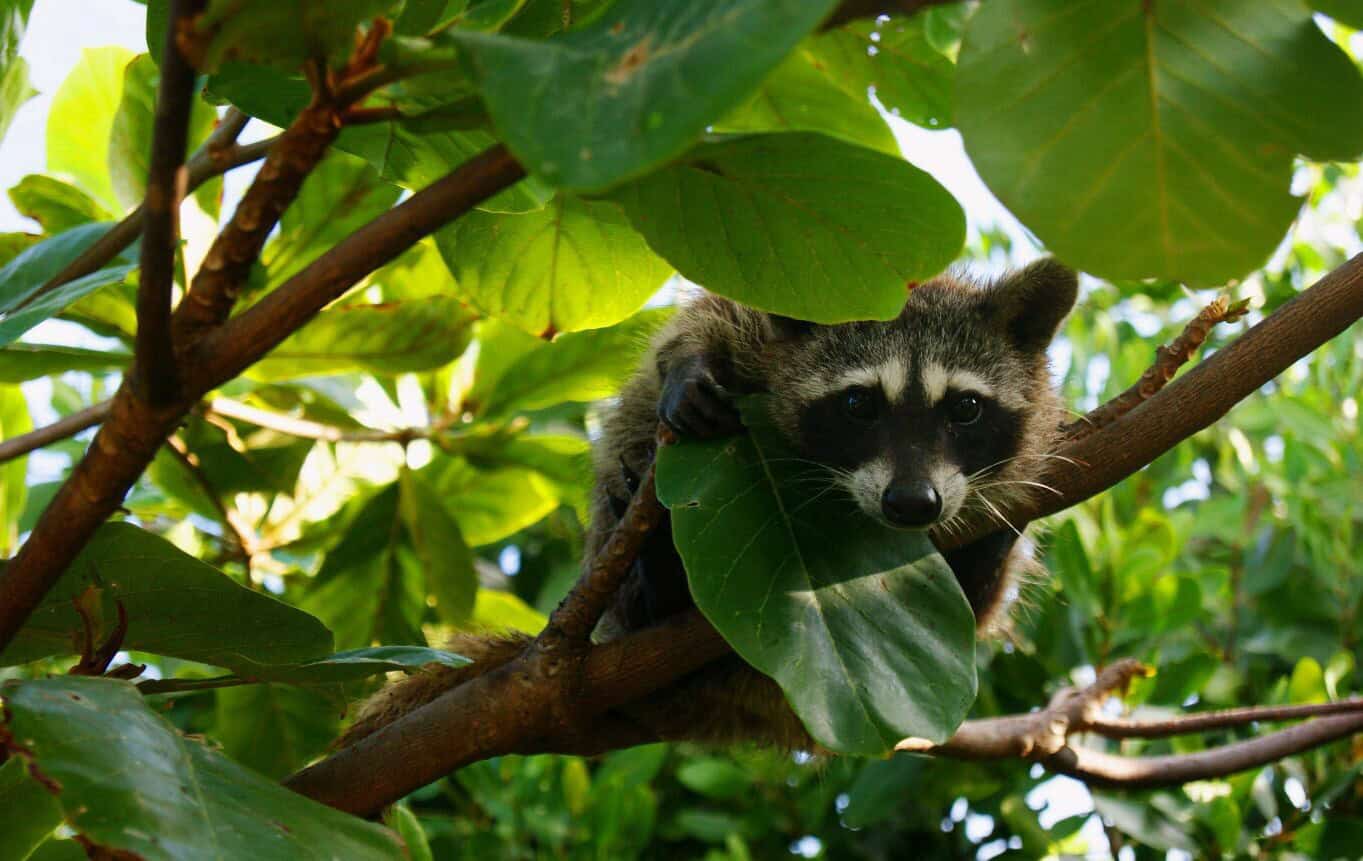
Cute Pygmy raccoon resting on tree branch in lush green jungle in Cozumel Mexico, highlighting nature and wildlife near Stingray Villa vacation rental.

Why are Raccoons Endangered on Cozumel?

The Plight of the Pygmy Raccoon: An Insight into Their Endangered Status

The diverse ecosystem of Cozumel, an island off the coast of Mexico, is home to an array of unique wildlife species. Among these, the Procyon pygmaeus, known as the Pygmy Raccoon or Cozumel Raccoon, has gained attention to its critically endangered status. This post aims to explore in-depth why are pygmy raccoons endangered and to shed light on the current conservation efforts to save this unique species.

The Uniqueness of Pygmy Raccoons

The Pygmy Raccoon, distinctive to Cozumel, is a smaller subspecies of the common raccoon. These creatures are among the smallest species of raccoons in the world, with an average weight of only 3-4 kilograms. Their unique features, such as a large black throat band, smaller teeth, and a light yellow or bronze colored tail, set them apart from their common counterparts.

Evolutionary Roots: The Origins of the Cozumel Raccoon

While you won’t find any true fossils of the Pygmy Raccoon, scientists have uncovered their skeletons at ancient archaeological sites on Cozumel. It’s believed that Cozumel itself broke away from Mexico’s mainland during the late Pleistocene, meaning this pint-sized raccoon hasn’t been around for more than roughly 122,000 years.

Genetic studies suggest that the Cozumel raccoon split off from its more common mainland relatives between 26,000 and 69,000 years ago. Over thousands of years in isolation, these raccoons evolved their own distinctive traits—another example of island life shaping a truly one-of-a-kind species.

Home Range, Density, and Activity Patterns of the Cozumel Raccoon

Unlike their mainland cousins, Cozumel’s pygmy raccoons are island specialists, favoring the mangrove forests and sandy wetlands of the northwest, though they occasionally turn up in semi-evergreen forests, agricultural fields, or even the far southern reaches like Punta Sur ecological park.

Research has shown that these raccoons occupy relatively modest territories. An average home range covers around 67 hectares (about 170 acres), and population density hovers between 17 and 27 individuals per square kilometer—a surprisingly tight-knit group compared to the more sprawling densities of their common raccoon relatives when food is plentiful.

Behaviorally, the Cozumel raccoon is a stealthy night dweller. Most activity occurs between sunset and roughly 4:00 AM, where they roam under cover of darkness. Males tend to have wider wandering grounds than females, but, interestingly, these animals don’t strictly defend their territory. Instead, they lead mostly solitary lives, with the exception of occasional family groups comprised of mothers and their young.

These nightly patterns, tight home borders, and low population densities all tie directly to the quality of their habitats and the pressures from human activity, helping explain the vulnerability of this petite island native.

What Do Cozumel Raccoons Eat? Seasonal Diets and Habitat Preferences

Pygmy Raccoons are not picky eaters, but their menu is influenced by where they live and what’s in season. These adaptable omnivores have an appetite for pretty much anything that scuttles, crawls, or ripens in Cozumel’s lush environments.

  • Crabs are a favorite snack, especially the blue land crab and hermit crabs, which make up nearly half of their diet. Strolling through mangroves or along the coast, you’re likely to see raccoons on the hunt for these crustaceans, particularly when they’re abundant during the wet season.
  • Fruits like sapodilla and snowberries become vital when the rains let up and crabs are less active. In the dry season, raccoons will eagerly switch to whatever fruits are in greatest supply, showing how flexible and resourceful they can be.
  • They also dine on frogs, lizards, insects—really, anything that fits into their tiny paws and offers up enough calories to keep them going.

As Cozumel’s human population and tourism scene grow, so, too, do opportunities for raccoons to sample new treats—from campground leftovers to food scraps left behind by beachgoers. While this might seem convenient, it raises concerns about wildlife becoming reliant on foods far from their natural diet, which could have long-term effects on the species’ health and behavior.

What is Known About the Behavior and Social Structure of the Cozumel Raccoon?

Despite their fame as one of Cozumel’s most unique residents, there is still a lot to uncover about how these raccoons live day-to-day. What we do know is that the Pygmy Raccoon leads quite a mysterious life—these creatures are mainly nocturnal, preferring the cover of darkness for their foraging adventures. Most of the time, they go about their business alone, but mothers with young may be spotted moving together as a small family group.

Rather than staking out firm territories, these raccoons have overlapping home ranges, typically spanning about 67 hectares (around 170 acres) per individual. Don’t expect turf wars—unlike some of their mainland cousins, they don’t get especially territorial.

When it comes to numbers, scientists estimate that you might find 17 to 27 Cozumel raccoons living in a single square kilometer. While most of their habits remain shrouded in intrigue—think of them as the secret agents of the mangroves—what we do know hints at a species that adapts to available resources without much fuss.

As for reproduction, detailed studies are scarce, but observations suggest that most females give birth between November and January. There’s even the possibility of a summertime encore, with a second litter appearing later in the year. All in all, the Pygmy Raccoon’s social life may be subtle, but its resilience and adaptability paint a fascinating portrait of survival in Cozumel’s ever-changing environment.

Habitat Preferences of the Cozumel Raccoon

Cozumel’s pygmy raccoon is more than just rare; its habitat preferences are a fascinating study in island survival. While this raccoon is only found on Cozumel and nowhere else, it has developed a remarkable ability to adapt to different areas across the island.

Primarily, these raccoons favor the dense mangrove forests and sandy wetlands tucked into the northwest reach of Cozumel. These environments provide shelter and a steady food supply—two things every small mammal covets. However, sightings aren’t strictly limited to the mangroves. On occasion, pygmy raccoons have popped up in nearby semi-evergreen forests and even agricultural fields that border their preferred homes. They’ve also been documented in the wild stretches of Punta Sur ecological park on the island’s southern tip, proving just how resourceful these animals can be when it comes to finding a suitable spot to call home.

This flexibility in habitat isn’t just interesting trivia—it’s a testament to the species’ resilience in the face of changing landscapes and serves as a glimmer of hope in the ongoing quest to preserve their dwindling numbers.

The Shrinking Population: How Many Cozumel Raccoons Are Left?

The Pygmy Raccoon population on the island has significantly declined, leaving only around 192 mature individuals and causing increased concern. This significant decline has led to increased concern among conservationists and environmentalists, raising the question, how many Cozumel raccoons are left?

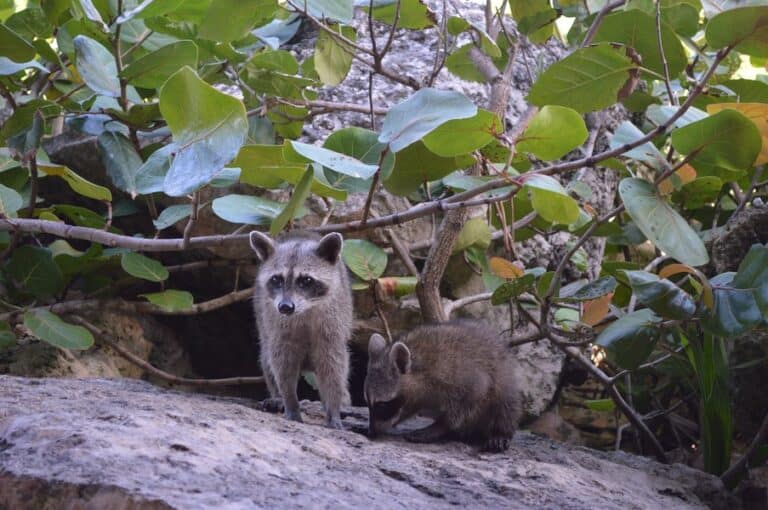
Pygmy raccoons in lush greenery near Stingray Villa, Cozumel, Mexico, showcasing exotic wildlife and tropical nature.

Threats to the Pygmy Raccoon: The Impact of Tourism

As Cozumel has become a popular tourist destination, the island has seen rapid development, impacting the natural habitats of the Pygmy Raccoons. The tourism industry, while beneficial to the local economy, has become the primary threat to the survival of these creatures.

Hurricanes and Climate Change: Natural Disasters Take Their Toll

Cozumel’s Pygmy Raccoons aren’t just facing threats from humans—the island’s unpredictable weather, driven by climate change, is another silent adversary. Severe hurricanes, which have become more frequent and intense in recent years, wreak havoc on the raccoon’s already fragile habitat. After a hurricane sweeps through, the raccoon population can plummet dramatically, sometimes dropping by as much as 60% in severely affected areas.

Young raccoons, in particular, stand little chance against the force of these storms. Many juveniles fall victim to collapsing trees, flying debris, or flooding—natural dangers that are worsened by the island’s changing climate. The aftermath of each major storm leaves fewer survivors and makes it harder for the population to bounce back, pushing the species ever closer to extinction.

The Consequences of Human Interaction

Frequent feeding by tourists has led to the raccoons losing their natural fear of humans, putting them at risk. The waste generated by tourists contributes to a toxic environment, endangering the raccoons, who often feed on discarded waste.

Predation and Disease

Introducing non-native species, such as domestic dogs and cats, presents another threat to the Pygmy Raccoon. These animals can transmit diseases and parasites to the raccoons, impacting their population.

Ecosystem Imbalance

Predatory behavior towards crabs is the primary function of Pygmy Raccoons in Cozumel Island’s ecosystem. The decline in their population disrupts this food chain, leading to an overpopulation of crabs and subsequent imbalance in the ecosystem.

Responsible Tourism: Its Significance

Responsible tourism is key to ensuring the survival of the Pygmy Raccoon. Tourists need to not feed the raccoons and ensure minimal waste generation.

Conservation Efforts: Steps Towards Recovery

Cozumel has taken steps towards creating a protected environmental area in the northern part of the island, which is home to a large population of Pygmy Raccoons. Efforts are being made to educate both locals and tourists on preserving the raccoons and their habitat.

Captive Breeding

Captive breeding is another approach being considered helping restore the Pygmy Raccoon population. If successful, this could boost their numbers and potentially save them from extinction.

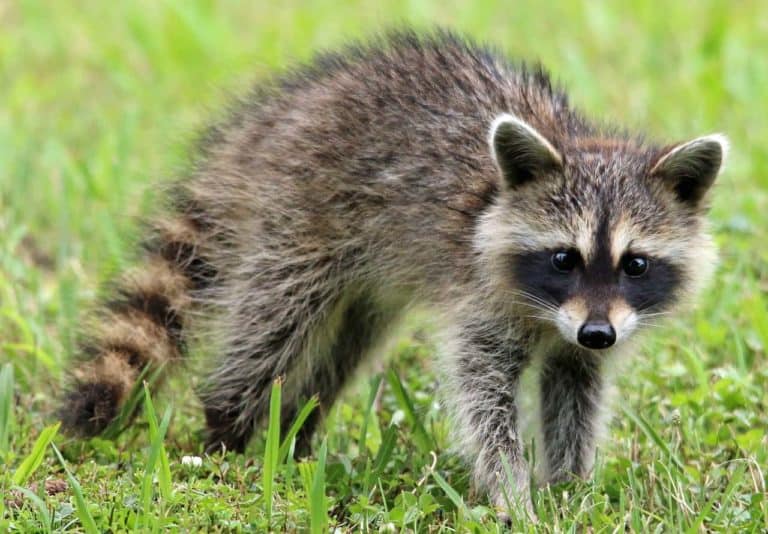
Pygmy raccoon on green grass in Cozumel Mexico, vacation rental near Stingray Villa

The Importance of Ongoing Scientific Research

Ongoing research plays a pivotal role in the fight to conserve the Pygmy Raccoon. Careful study not only helps confirm that these raccoons truly are a distinct species—separate from their mainland cousins—but also uncovers the details that make them so unique. For example, specialists have documented physical differences such as body size, skull shape, a characteristic black throat band, and their lighter yellowish tail.

These subtle, long-evolved traits are more than just curiosities; they’re evidence of the raccoon’s long isolation on Cozumel and its adaptation to a unique island habitat. As scientists continue to study their genetics, behavior, and ecological role, they gather essential information for shaping targeted conservation strategies.

Regular scientific assessment ensures conservation efforts are founded on up-to-date knowledge. This ongoing research guides policy makers, local authorities, and international organizations in crafting effective protections tailored to the Pygmy Raccoon’s specific needs. Without committed inquiry and observation, it would be easy to overlook critical details or to mismanage recovery programs—making the difference between survival and extinction for this remarkable species.

The Future of Pygmy Raccoons

While the situation for the Pygmy Raccoon is dire, with concerted efforts from conservationists, tourists, and the local population, there is hope for the future. The next few years will be crucial in determining the fate of this unique species.

In Conclusion: Why Are Cozumel Raccoons Endangered?

In conclusion, the primary reasons why are Cozumel raccoons endangered are the rapid development of the tourism industry in Cozumel, resulting habitat loss, increased interaction with humans, and introducing non-native species. If these factors are not addressed, the question of how many Cozumel raccoons are left might soon have a distressingly low answer.

Reference:

  1. IUCN Red List of Threatened Species. Procyon pygmaeus

  2. National Geographic. On the Trail of the Pygmy Raccoon

  3. Conservation Photographers. Cozumel Raccoon

  4. Kevin Schafer. Cozumel Raccoon Photography

  5. Wikipedia. Cozumel Raccoon

Remember, every small action counts in the grand scheme of conservation. Let’s work together to protect and preserve our planet’s biodiversity.

Why Book With Us?

Book through this website, and we guarantee you’ll get the lowest price online. You’ll be dealing directly with us, the owners and we never charge booking fees, so you will save up to 30% of the cost over sites like Airbnb. Book our Vacation Rental in Cozumel here.

Why are Raccoons Endangered on Cozumel? Read More »

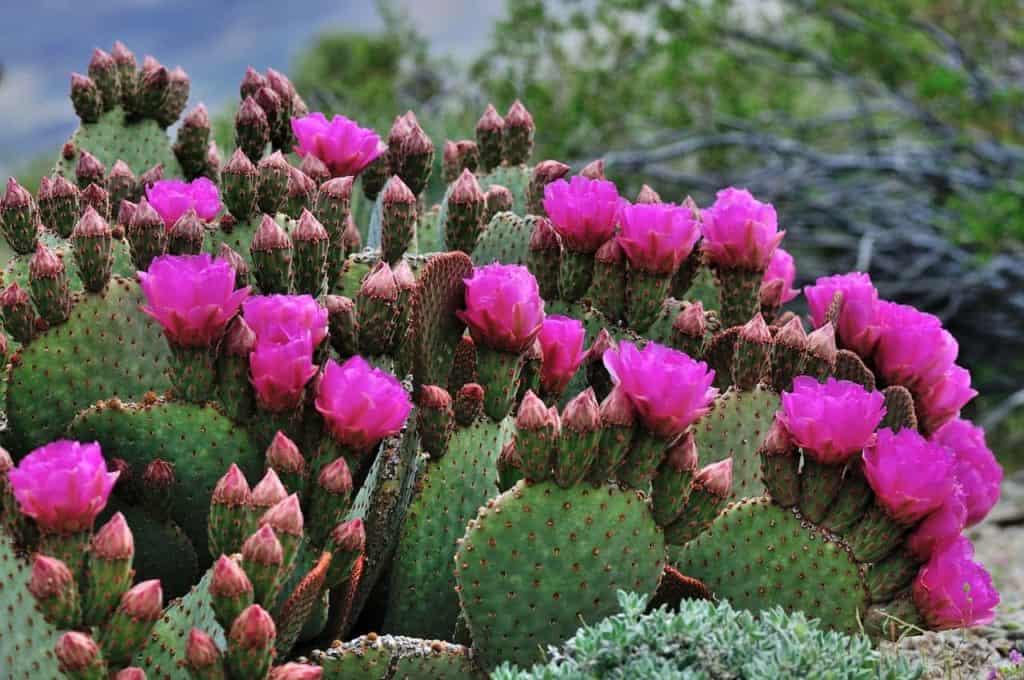
Cactus in bloom in Cozumel

Blooming cactus – all things succulent

Beyond Tequila and Tacos: Unveiling the Unique Cacti of Mexico

When you think of Mexico, tequila, beaches, and tacos may come to mind. However, this vibrant country has so much more to offer, including a captivating array of rare plants and flowers. Among them, cacti take the spotlight, with Mexico boasting over 150 varieties of these prickly wonders, known as “nopal.” From urban settlements to arid deserts, they adorn the country with diverse types of cacti, making it a paradise for plant enthusiasts.

Survivors of the Desert: The Tenacity of Mexican Cacti

Cacti are remarkable plants that can thrive in harsh climates by storing water like no other. It is their ability to survive and adapt that makes them crowd the Chihuahuan and Sonoran deserts, where extreme conditions prevail. The unique topography of these regions gives rise to cacti with varying shapes, heights, and the remarkable ability to produce flowers and fruits. Among the most iconic and awe-inspiring cacti, the “Prickly Pear Cactus” stands unrivaled. These cacti bear edible fruits known as Tunas or prickly pears, offering a delightful surprise to those who encounter them. Imagine stumbling upon a desert landscape and witnessing the breathtaking sight of a rare, lush white flower adorned with purple and pink hues on the organ pipe cactus. This exquisite plant can only be found in select deserted areas of northern Mexico, blooming for a fleeting two months and opening its petals for just a few hours each night.

A Floral Extravaganza: Witnessing Rare Cacti in Northern Mexico

For nature enthusiasts seeking to behold the sheer beauty of these rare plants, a visit to the northern regions of Mexico during the blooming season from late April to June is a must. The saguaro cactus, a true gem of the Sonoran desert, unveils its splendor from May to late June. It produces striking white flowers and fruits, creating a captivating sight from early to mid-summer. Standing tall at heights of up to 12 meters, these majestic giants can take up to 200 years to reach their full glory.

Raw Beauty Unleashed: Cacti’s Allure Across Mexico

The captivating presence of cacti adorns Mexico’s landscape, adding a touch of raw beauty to the region. From the bustling urban settlements to the serene deserts, these plants stand as a testament to nature’s resilience and artistry. So, while you embark on your Mexican adventure, be sure to keep an eye out for these magnificent cacti that bring a unique charm to the country’s diverse ecosystems.

Nature’s Hidden Gems: Discovering Mexico’s Rare Cacti

Beyond the popular stereotypes, Mexico holds a secret treasure trove of rare cacti. These resilient plants, with their ability to survive and flourish in harsh environments, showcase nature’s brilliance. So, take a moment to appreciate the enchanting beauty of Mexico’s cacti, and let their presence remind you of the captivating wonders that await you in this vibrant country.

Why Book With Us?

Book through this website, and we guarantee you’ll get the lowest price online. You’ll be dealing directly with us, the owners and we never charge booking fees, so you will save up to 30% of the cost over sites like Airbnb. Book our Luxury Accommodations in Cozumel here.

Blooming cactus – all things succulent Read More »

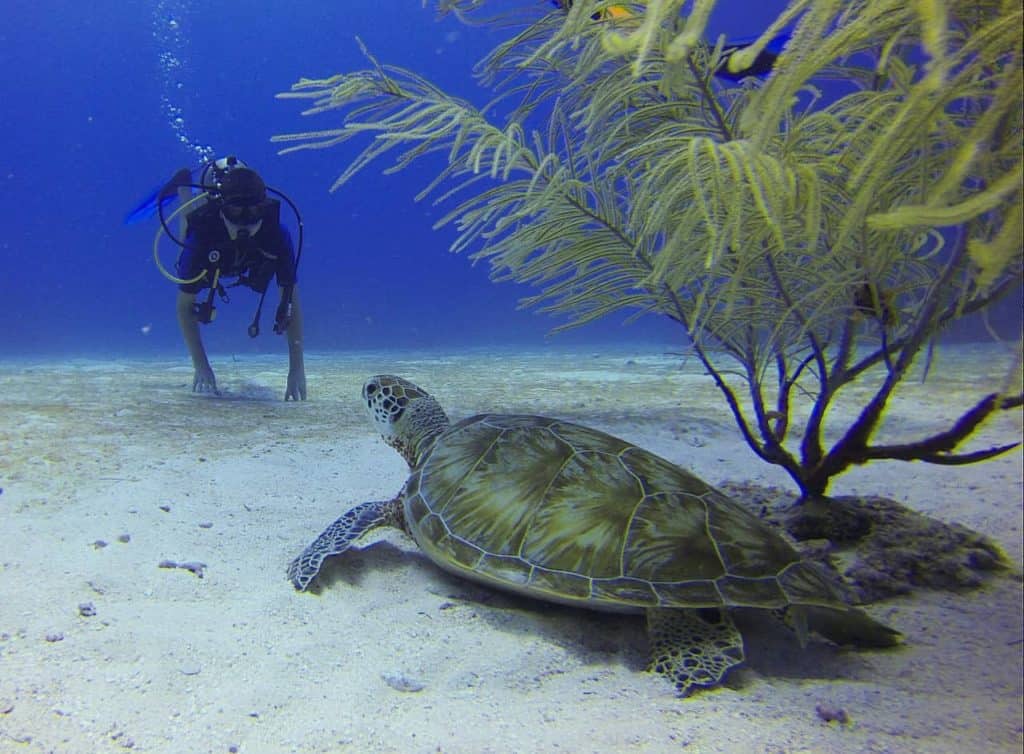
Colorful underwater scene featuring a scuba diver approaching a green sea turtle near tropical marine plants in Cozumel, Mexico, at Stingray Villa vacation rental.

How to Scuba Dive without a Certification

Unleash Your Inner Adventurer: Dive into the Enchanting World of Scuba Diving in Cozumel

Hey there, adventurers! If you’ve ever dreamt of exploring the underwater wonders of the ocean, Cozumel is calling your name. With its stunning blue waters and vibrant marine life, it’s the perfect place to dive in and discover the magic beneath the surface. Don’t worry if you’re not a pro swimmer or certified diver yet – we’ve got an awesome and accessible way to make your scuba dreams come true with “Scuba Discovery” or “Discovery Diving.”

Take the Plunge: Getting Started with Scuba Diving Certification in Cozumel

Scuba diving is an incredible adventure, but it does require some training and certification. To kick off your scuba journey, you’ll need the “Open Water Certification” from PADI. This basic certification gives you the skills you need to dive safely. But let’s face it – the process can be a bit time-consuming and pricey. If you’re looking for a quicker and more affordable option, keep reading!

Dive Without Limits: Embrace Adventure with Scuba Discovery in Cozumel

Ready for an exhilarating underwater experience without breaking the bank? The “Scuba Discovery” program is your ticket to underwater thrills without the full commitment of an Open Water Certification. This program is designed to be affordable and easy to access, perfect for anyone eager to dive into an aquatic adventure.

Navigating the Underwater Realm: Learning the Fundamentals with Scuba Discovery

In the “Scuba Discovery” course, you’ll pick up the basics you need to dive with confidence. Expert instructors will teach you essential skills like treading water, swimming, and breathing underwater. These foundational techniques will set you up for an amazing underwater exploration.

Dive into Equipment: Familiarizing Yourself with Scuba Gear in Scuba Discovery

Your instructors will also walk you through the ins and outs of scuba gear. You’ll learn about each piece of equipment and how to use it properly, ensuring you feel comfortable and competent before you dive. This knowledge will make your underwater adventure even more enjoyable.

Awe-Inspiring Depths: Embark on an Unforgettable Underwater Excursion with Scuba Discovery

Once you’ve got the basics down, it’s time for the real fun – your first dive! Guided by your instructor, you’ll plunge into Cozumel’s crystal-clear waters, home to vibrant coral reefs, colorful schools of fish, and maybe even some fascinating sea creatures. This unforgettable experience will give you a newfound appreciation for the underwater world.

Dive into Adventure on a Budget: Discover Scuba Discovery in Cozumel

One of the best things about the “Scuba Discovery” program is its affordability. For around $80 USD, you can enjoy a full day of underwater exploration. It’s a fantastic way to test the waters before deciding if you want to go for full certification. We highly recommend checking out Scuba with Mario for a top-notch experience in Cozumel.

Explore the Depths: Unveiling Adventure with Scuba Discovery in Cozumel

Whether you’re a curious newbie or a traveler on a budget, the “Scuba Discovery” program is perfect for you. Dive into a captivating underwater world and unleash your inner adventurer. Join us in Cozumel for an unforgettable journey that will leave you with lasting memories and a burning desire to explore even deeper into the ocean’s depths. Cheers to an extraordinary underwater adventure in Cozumel!

Why Book With Us?

Book through this website, and we guarantee you’ll get the lowest price online. You’ll be dealing directly with us, the owners and we never charge booking fees, so you will save up to 30% of the cost over sites like Airbnb. Book our Accommodation near the Beach in Cozumel here.

How to Scuba Dive without a Certification Read More »

Vaccine-rich traveler taking selfies at Cozumel beach near Stingray Villa vacation rental in Mexico. Perfect destination for a luxurious getaway with scenic ocean views.

Outdoor fun and scavenger hunts on Cozumel

Exploring Cozumel: Outdoor Adventures and Scavenger Hunts

Cozumel, Mexico’s largest Caribbean island, captivates tourists with its glittering charm. Beyond its paradise-like appeal, Cozumel is a cultural melting pot that attracts visitors from around the world, offering a unique blend of rich heritage and lush natural surroundings. In this article, we’ll delve into the activities and experiences that make Cozumel an irresistible destination.

Dive into Adventure: Exploring Cozumel’s Underwater Paradise

While Cozumel is perfect for a laid-back vacation, there’s no shortage of activities to keep everyone engaged. Scuba divers, snorkelers, and underwater explorers are in for a treat. Immerse yourself in the vibrant marine life by diving, snorkeling, or swimming in the crystal-clear waters. Cozumel also offers an array of water sports, including kayaking, paddle boarding, and fishing, ensuring an action-packed experience for all.

The Ultimate Adventure: Unraveling Cozumel’s Secrets with The Amazing Cozumel Race

Who says scavenger hunts are only for teenagers and kids? The Amazing Cozumel Race takes adventure to a whole new level. Form a team and race against others to complete thrilling missions, combining snorkeling with the discovery of Cozumel’s breathtaking sites and vibrant culture. This 5.5-hour self-guided tour challenges your energy, wits, and love for adventure. Join the post-race ceremony to celebrate with newfound friends, indulge in snacks and refreshments, and get a taste of Cozumel. Whether you’re a solo traveler or exploring with your family, this unforgettable experience awaits!

Thrills and Spills: Embracing Adrenaline in Cozumel’s Pristine Beaches

Calling all adrenaline junkies! Cozumel boasts some of Mexico’s most beautiful beaches, providing the perfect playground for exhilarating activities. Deep-sea fishing, snorkeling, and scuba diving are must-try adventures during your visit. Beginners can revel in snorkeling and swimming in the shallow waters of Playa Chen Rio, catering to swimmers and snorkelers of all levels.

Exploring Nature’s Sanctuary: Punta Sur Ecological Park in Cozumel

Nature enthusiasts and animal lovers shouldn’t miss the magnificent Punta Sur Ecological Park. For years, this park has fascinated both tourists and locals alike. Spanning over 2,500 acres, the park is home to a diverse range of exotic and native flora and fauna. Birdwatchers will be delighted by the park’s reputation as a prime breeding ground for numerous species. During your visit, you’ll encounter flamingos, sea turtles, crocodiles, lizards, and an array of captivating birds. Discover the wonders of nature on this remarkable journey.

Cozumel: Where Nature Meets Culture in Harmony

In conclusion, Cozumel offers an enticing blend of natural beauty and cultural wonders. From exploring the underwater paradise to embarking on thrilling adventures and immersing yourself in the serenity of Punta Sur Ecological Park, Cozumel has something for everyone. Indulge in the charm of this captivating destination and create unforgettable memories as you delve into the heart of Cozumel’s nature and culture.

Why Book With Us?

Book through this website, and we guarantee you’ll get the lowest price online. You’ll be dealing directly with us, the owners and we never charge booking fees, so you will save up to 30% of the cost over sites like Airbnb. Book our Couples Retreat in Cozumel here.

Outdoor fun and scavenger hunts on Cozumel Read More »

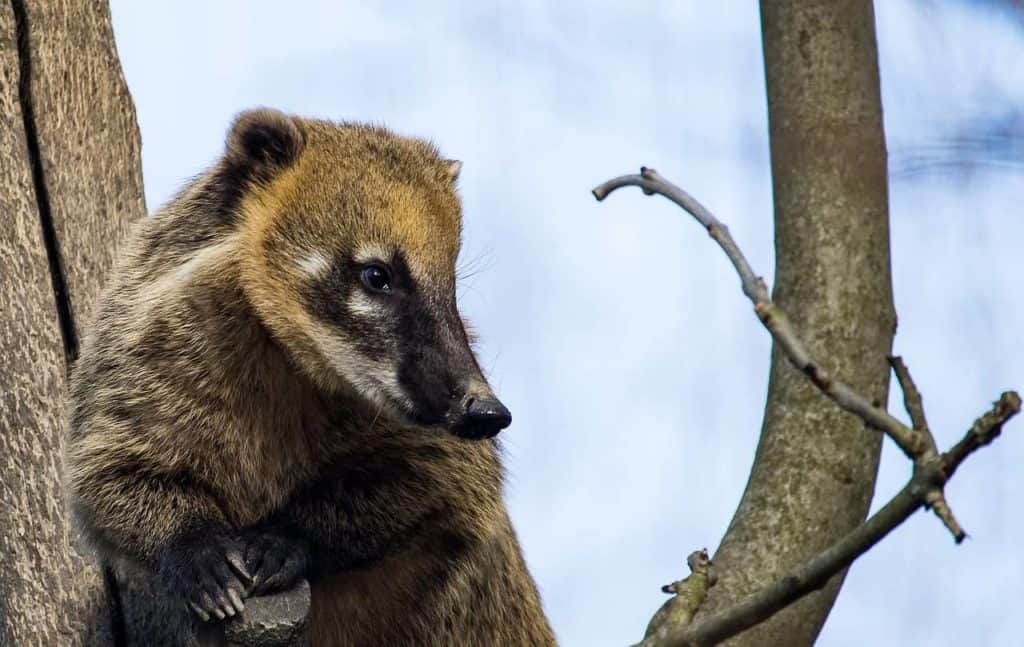
Coati resting on a tree branch in Cozumel Mexico, near Stingray Villa vacation rental. Wildlife and nature photography showcasing local fauna and scenic beauty.

Ways to Bond with Animals on Cozumel

Cozumel: Animal Lover’s Heaven

Are you an animal lover? Want to connect with wild animals on this planet? Look no further! The Caribbean, with its white sand beaches, has some fantastic species. As you explore Cozumel, a Mexican island, get ready to see a lot of wildlife, including indigenous species like the Cozumel Emerald Hummingbird. One such unique and endangered species is the Cozumel Island Fox, which has been on the island for over 5,000 years. This post will give you simple and practical tips to connect with these amazing animals during your Cozumel trip. So keep reading and get ready to meet the animals in the turquoise lagoon.

Cozumel Wildlife Guide: Research the Cozumel Emerald Hummingbird Before You Go

A little research is good! Before swimming with dolphins and whale sharks, research the places you’ll visit and the animals you’ll see. The Cozumel Golf Course is a notable spot for birdwatching, especially during early morning hours. Critically endangered birds like the Cozumel Thrasher are hit hard by hurricanes and invasive species, and their future is uncertain. You should have a professional guide with you during these experiences. Watch the magic of baby sea turtles hatching and making it to the sea. As a traveler, you can participate, be kind, and help these little ones get to the water’s edge. If you’re into it, consider volunteering for projects that help endangered species. Feral cats are a big threat to endangered species like the Cozumel Harvest Mouse and the Cozumel Pygmy Raccoon and contribute to predation and disease.

Cozumel Native Animals

Cozumel has many native animals, many of which can only be found here. Among them are the Cozumel Emerald Hummingbird with its green feathers and fast movements, the Cozumel Coati, a playful mammal that runs through the trees, and the Cozumel Harvest Mouse, a small but important part of the ecosystem, and the Cozumel Pygmy Raccoon, a cute but elusive carnivorous mammal. The Cozumel Coati is smaller and has softer fur compared to the white-nosed coati, which is larger and lighter in color and found mainly across the Yucatan Peninsula. These animals have adapted to Cozumel’s environment and are part of the island’s natural heritage.

Living with Cozumel’s Wildlife: Cozumel Coati Rules of Engagement

Interacting with wildlife requires caution and respect. The Cozumel Wren, for example, is highly territorial and will disrupt rival species’ nests by filling them with sticks to keep the territory. Watch the coatis play from tree to tree and the 150+ species of birds and animals that live in this tropical paradise. Among them, the green migratory bird, the Vireo, is special because it’s rare and threatened by environmental factors. Scuba diving lets you swim with fantastic sea creatures without harming or bothering them.

Cozumel: Where the Cozumel Pygmy Raccoon is Adored

A trip to Cozumel isn’t complete without falling in love with the local wildlife. The island has three species of carnivorous mammals, a unique ecological adaptation since Cozumel separated from the mainland. The local population of these carnivorous mammals is classified as separate species due to their unique traits. So wait no more! Go and make memories as you connect with the animals here.

Connect with Cozumel’s Wildlife: Get Ready for Marine Life

In summary, Cozumel is an animal lover’s paradise with its wildlife and natural beauty. Research, respect wildlife, and take the opportunity to connect with these amazing animals, and you’ll have the experience of a lifetime during your Cozumel vacation. So go for it, book your trip, and get memories to treasure and love for the animal kingdom.

Marine Life

Cozumel is famous for its marine life, with many opportunities to see different species. The coral reefs are full of colorful marine life, angelfish, parrotfish, and butterflyfish. You can see sea turtles swimming, stingrays, sharks, or playful dolphins. Cozumel has plenty of snorkeling and scuba diving opportunities for those who want to explore this underwater heaven and get immersed in the Caribbean Sea.

Coral Reefs and Tropical Fish

Cozumel’s coral reefs are some of the best in the Caribbean, with over 100 species of coral and a thousand tropical fish. These reefs are a marine animal paradise, with sea turtles, stingrays, and a rainbow of fish. Whether you snorkel, scuba dive, or take a glass-bottom boat tour, you’ll be amazed by the marine life in these underwater gardens.

Swimming with Sea Turtles and Dolphins

Cozumel has many opportunities to swim with sea turtles and dolphins, an experience you won’t forget. Guided tours let you swim with these amazing creatures in their natural habitat, with the island’s crystal clear waters the perfect setting for up-close encounters. Seeing sea turtles and dolphins up close is a must-do for any animal lover visiting Cozumel.

Birdwatching in Cozumel

Cozumel is a birdwatcher’s heaven, with many bird species living in its jungle and mangrove wetlands. Cozumel Golf is a prime location for birdwatching, especially during the early morning hours. With its bright green plumage and forked tail, the Cozumel Emerald Hummingbird is a star species for birders. The Cozumel Vireo and the Cozumel Thrasher are other notable birds, adding to the island’s avifauna. Explore Cozumel’s natural habitats and see these and many other species.

Cozumel Emerald Hummingbird

The Cozumel Emerald Hummingbird is the star bird of Cozumel, with its bright green plumage and forked tail. This bird is only found in Cozumel and is the favorite of birders for its looks and behavior. The Cozumel Emerald Hummingbird is known for being very aggressive in defending its territory, often chasing away other species from its feeding grounds. You can see this beautiful bird in the island’s forests and gardens, flitting from flower to flower, feeding on nectar and small insects.

Safety Precautions When Interacting with Wildlife

Understanding Potential Dangers

When exploring the natural beauty of Cozumel Island, it’s essential to be aware of the potential dangers that come with interacting with wildlife. The island is home to diverse species, including some that can threaten humans. For instance, the Boa Constrictor, a non-indigenous species introduced to the island, can be a significant threat, especially if it feels threatened or cornered. Additionally, the Coral Snake, a venomous species, should be avoided at all costs due to its dangerous bite.

To minimize the risk of encountering these dangers, it’s crucial to take necessary safety precautions. Wear closed-toe shoes, long pants, and long-sleeved shirts when exploring the island, particularly in areas with thick vegetation. Always stay on designated paths and avoid wandering into dense forests or mangroves. These simple steps allow you to enjoy the island’s wildlife while keeping yourself safe.

Responsible Wildlife Viewing

Best Practices for Observing Wildlife

Responsible wildlife viewing is essential for preserving the unique ecosystem of Cozumel Island. Here are some best practices to keep in mind:

  • Keep a Safe Distance: Maintain a safe distance from the animals to avoid disturbing or causing stress. This is especially important for species like the Cozumel Coati and the Cozumel Emerald Hummingbird, which can be sensitive to human presence.

  • Avoid Feeding: Refrain from feeding wildlife, as this can make them dependent on humans and increase the risk of aggressive behavior. Feeding can also disrupt their natural diet and behavior.

  • Stay on Designated Paths: Stick to designated paths and avoid wandering into dense forests or mangroves. This helps protect both you and the wildlife and the delicate habitats they rely on.

  • Be Quiet and Calm: Avoid making loud noises or sudden movements, which can startle the animals. A calm and quiet approach allows you to observe wildlife without causing them stress.

  • Respect Their Habitat: Avoid touching or handling coral reefs, which can damage the delicate ecosystem. Coral reefs are home to a myriad of colorful marine life, and preserving them is crucial for the health of the marine environment.

By following these best practices, you can help preserve the unique ecosystem of Cozumel Island and ensure that future generations can enjoy the island’s incredible wildlife.

Conservation Efforts on Cozumel Island

Cozumel Island is a haven for wildlife enthusiasts and a focal point for significant conservation efforts. Various programs and initiatives are in place to protect the island’s unique species and habitats. For example, the Cozumel Coral Reef Restoration Program works tirelessly to restore damaged coral reefs, ensuring that vibrant marine life thrives.

Another notable effort is the protection of the Cozumel Thrasher, a critically endangered bird species. Conservationists are working to mitigate the impact of hurricanes and invasive species, which are severely affecting Thrasher’s population. Additionally, programs aimed at controlling feral cats protect indigenous species like the Cozumel Harvest Mouse and the Cozumel Pygmy Raccoon from predation and disease.

These conservation efforts are vital for maintaining the ecological balance of Cozumel Island. By supporting these initiatives, whether through volunteering or donations, you can play a part in preserving this natural paradise for future generations.

Why Book With Us?

Book through this website; we guarantee you’ll get the lowest price online. You’ll be dealing directly with us, the owners, and we never charge booking fees so that you will save up to 30% of the cost over sites like Airbnb. Book our Downtown Airbnb in Cozumel here.

Ways to Bond with Animals on Cozumel Read More »

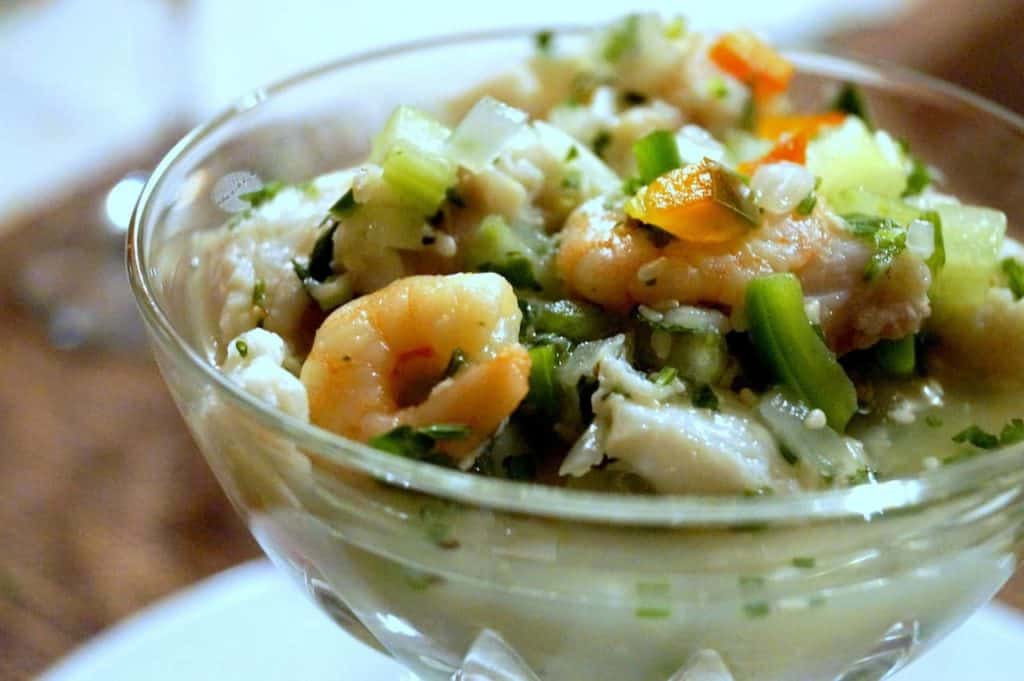
Fresh shrimp ceviche with chopped vegetables in a glass bowl, showcasing a delicious Caribbean seafood dish from Cozumel, Mexico. Perfect for vacation renters at Stingray Villa seeking local cuisine experiences.

Tips for the Perfect Ceviche on Cozumel

Cozumel’s Perfect Ceviche

Welcome to Cozumel and the perfect ceviche! If you’re looking for an unforgettable dining experience, you can’t go wrong with ceviche. Deliciously fresh, light, and full of flavor, ceviche is a beloved staple of Mexican cuisine. Here on Cozumel, you can find some of the best ceviches in the world. Whether you’re a seafood aficionado or a beginner gastronome, this guide will give you the tips you need to create the perfect ceviche. From the freshest ingredients to the right cooking techniques, you’ll learn all the essentials for crafting a plate of delicious ceviche. Plus, we’ll also include a few unique twists so that you can take your culinary experience to the next level. Get ready to dazzle your taste buds with a meal that will have you coming back for more!

How to Find the Freshest Ingredients

For finding the freshest ingredients for Ceviche on Cozumel, the key is to go local. The island is full of small, family-run stands and restaurants that serve up the freshest seafood. Take a stroll through the local markets and ask locals where to find the best catch of the day. They’ll be more than happy to point you in the right direction. Be sure to check the expiration dates on any fish or seafood you purchase, as this matters in determining quality. Freshness is also key in other ingredients, such as tomatoes, onions, cilantro, limes, and garlic. Look for ingredients that are still crisp and brightly colored. If you’re feeling adventurous, you can also try looking for some of the more exotic ingredients that are used in Cozumel Ceviche, such as habanero peppers. If you’re looking for the freshest ingredients, the best advice is to go local and ask around.

How to prepare the perfect ceviche 

Ceviche is a traditional dish of the Yucatan Peninsula and the Caribbean. They can prepare it with a variety of ingredients, but the most traditional way to make ceviche is with fresh seafood caught off the coasts of Cozumel. To make the perfect ceviche on Cozumel, start by gathering fresh, local seafood such as shrimp, squid, snapper, or other fish. Buy your seafood from a trusted source, or try your luck at catching it yourself. Next, dice the seafood into small cubes and combine it with a mixture of fresh lime juice, diced tomatoes, onions, cilantro, garlic, jalapeno, and salt. Let the mixture sit for at least an hour to allow the flavors to meld and the seafood to “cook” in the lime juice. Serve the ceviche with fresh, crunchy tostadas and a cool glass of horchata. Enjoy the perfect ceviche on Cozumel and come back for more!

Conclusion

The perfect ceviche on Cozumel is a dish that is sure to tantalize your taste buds. With its bright, vibrant flavors, fresh ingredients, and a wide variety of recipes to choose from, Cozumel is a great place to experience ceviche. With the perfect amount of lime juice, fresh tomatoes, onions, cilantro, and some added spice, you can create an amazing ceviche that you and your friends will love. Whether you decide to grill it, fry it, or serve it cold, Cozumel’s ceviche is a unique experience you can’t get anywhere else. Enjoy the perfect ceviche and make your next visit to Cozumel one for the ages.

Why Book With Us?

Book through this website, and we guarantee you’ll get the lowest price online. You’ll be dealing directly with us, the owners and we never charge booking fees, so you will save up to 30% of the cost over sites like Airbnb. Book our Vacation Rental in Cozumel here.

Tips for the Perfect Ceviche on Cozumel Read More »

Passport on luggage handle at Cozumel Mexico vacation rental, Stingray Villa, with travel essentials for a Caribbean getaway.

How to Travel to Cozumel with Only a Carry-on

Planning Your Trip to Cozumel, Mexico

Best Time to Visit Cozumel

Cozumel is a year-round destination, but the best time to visit depends on your preferences. The dry season is the peak tourist season from December to April, offering warm weather and minimal rainfall. This period is ideal for scuba diving, snorkeling, and other water activities, as the clear waters provide excellent visibility. If you prefer a more relaxed atmosphere and lower prices, consider visiting during the shoulder seasons, from November to December or April to May. The summer months, from May to October, are hotter and more humid, but the island is less crowded, and you can often find great deals on accommodations and activities. Cozumel’s vibrant marine life and beautiful beaches will impress you no matter when you visit.

Cozumel Airport with only a Carry-On

Planning a last-minute trip to Cozumel, Mexico? The thought of extra baggage fees is giving you anxiety? Don’t worry! We have the solution for you: travel with only a carry-on! We’ll explain this crazy idea that sounds absurd but is genius. Many self-proclaimed packrats and overpackers have already done it and love it. If they can do it, so can you. Join the club of smart travelers who have discovered the joy of traveling light and love the simplicity of it all.

Travel Like a Pro: Playa del Carmen Ferry Ride Tips

With efficient travel, a carry-on becomes your best friend, a compact backpack or suitcase that fits in the overhead bin. The beauty of a carry-on is that it fits most airlines’ weight and size restrictions, so you don’t have to deal with the hassle and fees. Ensure you purchase your ferry ticket in advance to avoid any last-minute issues. Playa del Carmen is a common departure point for ferries to Cozumel. This must-have travel item has become a favorite among many, including frequent flyers, students, and even business travelers on quick trips. Want to learn how you can travel with only a carry-on, too? Don’t worry; we have expert tips to help you survive the journey with your sanity intact! Travel light without sacrificing your needs.

Choose your Travel Buddy

Please choose the right bag; it can be a duffel bag, backpack, or hard shell bag. Choose one after you decide what to take. Plan your days and outfits; don’t collect possibilities. Plan your days and outfits, and it will be easier to choose what to take. Choose non-wrinkle and dry-clean-only items to save time and chores. Pack multi-tasking items like towels, zip-locks, and travel-sized products instead of the deluxe ones (toothpaste, shampoo, and face wash). Prioritize the must-haves and eliminate the might-needs. This will give you a confirmed list of things you can’t live without. Don’t fold your clothes; roll them instead! This always saves space and minimizes wrinkles. Use the extra space to fit in shoes, electronics, etc. You don’t need to pack heavy to visit Cozumel since many people will wash, dry, and fold your clothes for a few pesos per kilo.

Going to a cold place? Coats and jackets take up so much space; wear them on the plane instead! Last, follow the one-week rule; pack only what you need for a week! Now, you’re filled with a fast, efficient, and hassle-free carry-on. Try it!

Packing for Cozumel

Packing for Cozumel requires careful consideration of the island’s tropical climate, outdoor activities, and cultural events. Beach clubs are popular for relaxation and activities, offering all-inclusive experiences and fun options like ATV rides and paddleboarding. Mayan ruins are a must-visit for history enthusiasts, providing a glimpse into the island’s rich cultural heritage. Here’s a list of essentials to bring along:

Essentials to Bring

When heading to Cozumel, think light and breezy. The island’s tropical climate means you’ll want to pack:

  • Lightweight and breathable clothing: Think t-shirts, tank tops, shorts, and dresses. These will keep you cool and comfortable.

  • Swimwear: Pack swimsuits, rash guards, and board shorts for beach and water activities.

  • Comfortable walking shoes or sandals: You’ll be doing a lot of exploring, so make sure your footwear is up to the task.

  • Sun protection: Sunscreen, sunglasses, and a hat are must-haves to protect yourself from the strong Caribbean sun.

  • Insect repellent: Keep those pesky bugs at bay, especially if you plan on exploring the island’s natural areas.

  • Power adapter: Ensure your electronic devices stay charged in Mexico.

  • Water bottle or refillable container: Staying hydrated is key, especially in the heat.

  • Beach towel or quick-dry travel towel: Perfect for beach days or impromptu swims.

  • Snorkeling gear: If you plan on snorkeling or scuba diving, bringing your mask, snorkel, and fins can save you rental fees.

  • Light jacket or sweater: Evenings can be cooler, so a light layer is a good idea.

  • Dressier outfit: Pack something a bit more formal for a nice dinner or special event.

Carry-on Packing Tips

To maximize your carry-on space and stay organized, follow these tips:

  • Pack essentials in your carry-on: Keep your passport, phone charger, and any necessary medication within easy reach.

  • Wear your heaviest items: Save space by wearing bulky items like hiking boots or a coat on the plane.

  • Use packing cubes or compression bags: These can help you organize and compress your clothing, making more room in your bag.

  • Leave space for souvenirs: You’ll likely want to bring back a piece of Cozumel, so plan for some extra space in your luggage.

Getting to Cozumel and Downtown San Miguel

Cozumel is easily accessible by air, with several international flights arriving at Cozumel Airport (CZM) daily. Cancun and Tulum (TQO) airports are major hubs for travelers heading to Cozumel. Mainland Mexico is a common starting point for travelers. Riviera Maya is a popular region for tourists heading to Cozumel.

By Air

Flying into Cozumel is a breeze. Here’s what you need to know:

  • Cozumel Airport (CZM): Located about 3 kilometers north of San Miguel, the island’s capital, Cozumel Airport is your gateway to paradise.

  • Direct Flights: Several airlines, including American Airlines, Delta, and Air Canada, offer direct flights to Cozumel from major US and Canadian cities.

  • Connecting Flights: If you’re flying from a smaller airport, you might need to connect through larger hubs like Mexico City.

  • Upon Arrival: Once you land at Cozumel Airport, you have several options to reach your accommodation. Taxis and shuttles are readily available, or you can pick up a rental car to explore the island on your own.

  • Cruise Ship: Alternatively, many visitors arrive on a cruise ship, docking at one of the island’s cruise piers for a brief but enticing experience of Cozumel.

By following these tips and guidelines, you’ll be well-prepared to enjoy your trip to Cozumel with only a carry-on. Happy travels!

How to Travel to Cozumel with Only a Carry-on Read More »

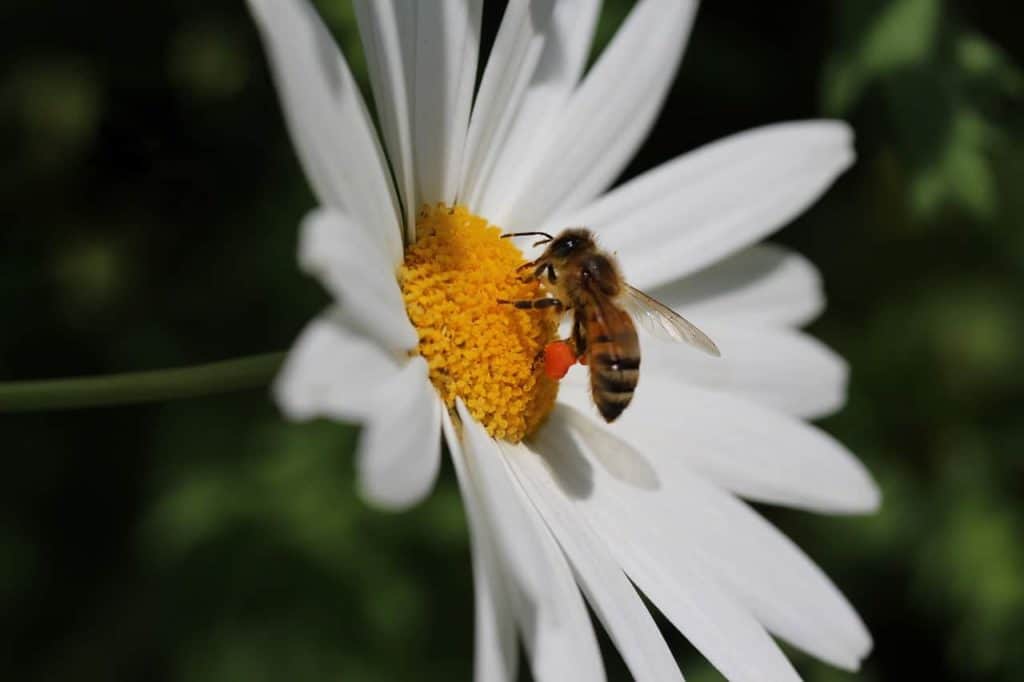
Honey bees on Cozumel flowers near the vacation rental of Stingray Villa

Bees and honey around Cozumel

Cozumel Bee Sanctuary: Bees and Honey Around Cozumel

The Importance of Bees

Bees are the unsung heroes of our ecosystem, playing a vital role that cannot be overstated. As pollinators, they are responsible for transferring pollen between flowers, enabling plants to reproduce and set seed. This process is crucial for the production of fruits, vegetables, and nuts, making bees indispensable to our food supply. In fact, it’s estimated that one-third of the food we eat is directly or indirectly dependent on bee pollination. Beyond agriculture, bees contribute to the health of ecosystems by pollinating wildflowers and plants, which in turn support a diverse range of wildlife. The importance of bees extends far beyond their hives, touching every corner of our natural world.

Melipona Honey

Hey everyone, welcome to the Yucatan Peninsula, a place of stunning beauty, rich history, and biodiversity deeply rooted in Mexico’s rich cultural heritage. Today, we’ll be talking about one of Cozumel Mexico’s most precious treasures – Melipona honey, produced by the stingless bees the Mayans have been cultivating for over 3,000 years.

As we get deeper into the region, you start to smell the honey in the air. That’s because this area produces a third of Mexico’s honey and it’s all thanks to the Melipona bees. These bees live in small colonies in huge hollowed-out trees, and unlike their European cousins, they don’t sting.

The ancient traditions of Melipona beekeeping are deeply connected to the Mayan civilization, highlighting the cultural heritage of these practices. The Melipona honey is known for its unique flavor, floral with sweet and sour notes. The Yucatecos have been following the Mayan beekeeping tradition of meliponiculture for centuries, so this condiment is part of their cultural heritage.

People value Melipona honey for its healing properties and use in natural remedies, as well as its taste. From face masks to being an antioxidant, anti-cancer, and wound-healing activity, among many other properties, honey is one of our best natural raw ingredients. No wonder people use honey in soaps, shampoos, skin care creams, eye drops, and even talc!

The Melipona honey is in high demand worldwide and is for sale and distribution. But because of its rarity and unique flavor, it’s $199.9 for 32 oz of 100% pure Melipona honey.

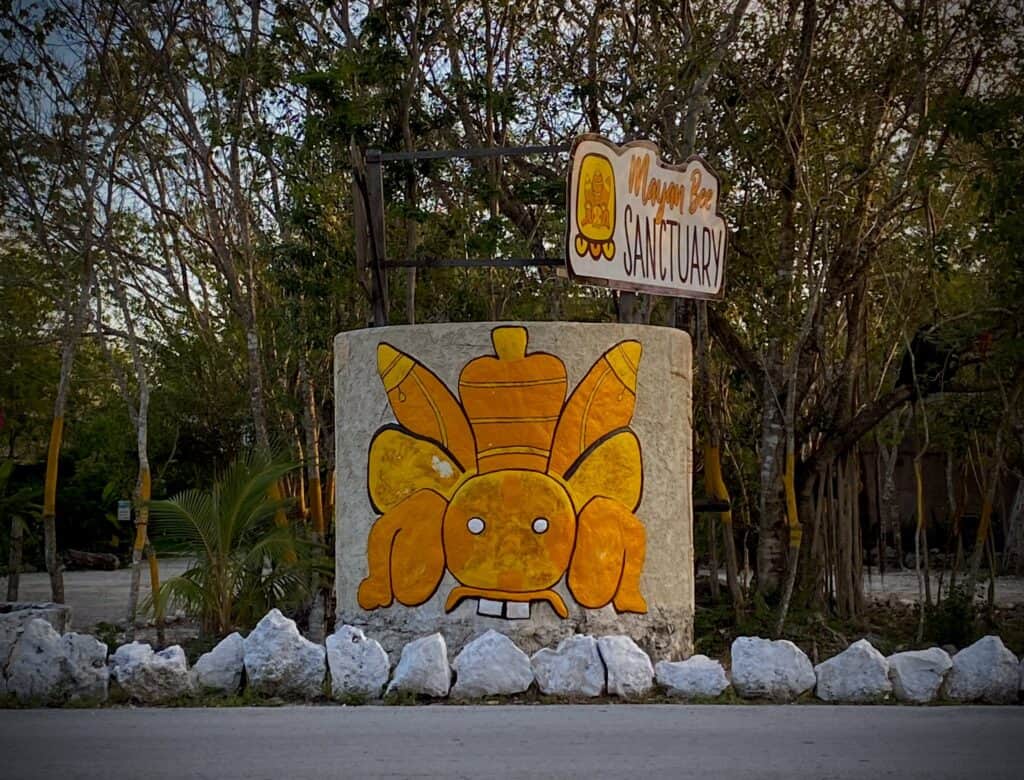
Colorful mural of a bee at Mayan Bee Sanctuary in Cozumel Mexico, near Stingray Villa vacation rental.

Mayan Stingless Bee Sanctuary

Want to walk among these endangered but fascinating creatures and learn more about them firsthand? Why not visit the Mayan Stingless Bee sanctuaries in Cozumel? Let your inner explorer out and come for a 1 ½ hour tour. This is a true wonder of nature and a piece of Mayan cultural heritage.

As we enter the sanctuary, the buzz of thousands of bees greets us. But don’t worry, these are stingless bees, so that they won’t hurt us. These bees are part of the ecosystem in Cozumel. The Mayan Stingless Bee also pollinates many of the native plants in Cozumel, so it’s nicknamed “Mayan Pollinator”. The reproductive characteristics of the Melipona bee are fascinating; when the queen bee is fertilized, she cannot fly, which influences the colony’s behavior and breeding site retention compared to other bee species.

Walking through the sanctuary, we can see the different hives the Mayans used to cultivate these bees. One of the most interesting hives is the “chunche,” which is a hollowed-out log where the bees build their honeycomb.

One of this sanctuary’s highlights is tasting the honey of the Mayan Stingless Bees. No wonder its unique flavor and healing properties are in high demand worldwide.

Besides honey, the Mayan Stingless Bee also produces propolis, a resinous substance that the bees use to seal their hives. We have used propolis for centuries for its medicinal properties, which are anti-inflammatory, antifungal, and antibacterial.

The Mayan Stingless Bee Sanctuary is not only a place to learn about bees and their products. It’s also a place to learn about the Mayan culture and way of life. The Mayan people have a deep respect for nature, and their way of beekeeping is proof of that. They have learned to live harmoniously with the environment and use its resources sustainably.

The Role of Bees in Mayan Culture

For thousands of years, bees have held a special place in Mayan culture. The Mayan people revered bees as sacred creatures, and their honey was considered a precious commodity. In Mayan mythology, bees were associated with the god of fertility and abundance, and their honey was believed to possess powerful medicinal properties. The Mayans used honey not only as a sweetener but also in traditional medicine, treating wounds and ailments. Beeswax was another valuable product, used to create candles, cosmetics, and various other items. Today, bees continue to play an important role in Mayan culture, with many communities dedicated to preserving traditional beekeeping practices. This deep respect for bees and their products is a testament to the enduring legacy of Mayan culture.

Bee Conservation Efforts

Bee conservation is a critical issue in today’s world, as many bee species face threats such as habitat loss, pesticide use, and climate change. The Mayan Bee Sanctuary in Cozumel is at the forefront of efforts to protect the Melipona bee, a species of stingless bee native to the Yucatan Peninsula. This sanctuary provides a safe haven for these bees and offers educational programs and tours to raise awareness about the importance of bee conservation. Other conservation efforts include creating bee-friendly habitats, reducing pesticide use, and promoting sustainable beekeeping practices. By supporting these initiatives, we can help ensure bee populations’ survival and our ecosystems’ health.

Sustainable Beekeeping Practices

Sustainable beekeeping practices are essential for the long-term health of bee populations. These practices include using natural materials for hive construction, avoiding pesticides and chemicals, and promoting biodiversity. The Mayan Bee Sanctuary is committed to sustainable beekeeping, offering training and education programs for beekeepers. By adopting these methods, we can help ensure the well-being of bee populations and promote the conservation of these essential pollinators. Sustainable beekeeping not only benefits the bees but also supports the broader ecosystem, making it a crucial practice for the future of our planet.

Conclusion

I hope you have gained a newfound appreciation for these incredible bees and the Mayan people’s culture. If you’re ever in Cozumel, visit this sanctuary and learn more about the Mayan way of beekeeping. It’s an experience that you won’t forget. Thank you for joining me on this blog.

Do you have an Accommodation yet?

Book through this website; we guarantee you’ll get the lowest price online. You’ll be dealing directly with us, the owners, and we never charge booking fees, so you will save up to 30% of the cost over sites like Airbnb. Book our Downtown Villa in Cozumel here.

Bees and honey around Cozumel Read More »

adventures on the bus around the Yucatan peninsula near stingray villa, Cozumel

Adventures on the bus around the Yucatan

Quintana Roo, Mexico: A Destination for All

One of the most sought-after travel destinations around the globe, Quintana Roo, Mexico, is a place that captivates the hearts of all who visit. Nestled in the southeastern part of the country, this enchanting region offers an unparalleled experience for every type of traveler. Whether you’re a lover of pristine beaches, a connoisseur of history and architecture, or seeking the beauty of nature, Quintana Roo will leave you awe-inspired and longing for more.

Quintana Roo’s allure lies in its breathtaking coastal beauty, drawing travelers from all corners of the world. Picture yourself standing on the shores, gazing out at the glimmering aqua stretching beyond your eyesight. The crystal-clear waters invite you to dive in and explore a vibrant underwater world teeming with colorful marine life. Snorkel or scuba dive alongside graceful sea turtles, majestic rays, and schools of tropical fish, immersing yourself in a veritable paradise for water enthusiasts.

Traveling on a Budget in Quintana Roo, Mexico: Exploring the Peninsula without Breaking the Bank

1. Discover Affordable Travel Options in Quintana Roo

Its popularity and prime location make Quintana Roo more expensive than vacationing in the rest of Mexico, but fear not! You don’t have to break the bank to explore this exotic peninsula. Embark on an affordable adventure with the convenience of low-cost travel buses that will take you to your desired destinations. Discover how you can make unforgettable memories while traveling on public transport without compromising on comfort or enjoyment.

2. Explore with Ease: The Quintana Roo Bus System

Quintana Roo boasts a well-established bus system that provides a cost-effective way to navigate the region. The major bus company in the peninsula is ADO, known for its reliable service and comfortable buses. To cater to budget-conscious travelers, ADO also operates a discount line called Mayab, offering even more affordable options for exploring Quintana Roo. Who says public transport has to be a hassle when you can travel in comfort and style?

3. ADO: Comfort and Convenience on a Budget

When traveling with ADO, the plush, comfortable seats that rival those of private transportation. Beat the heat with air-conditioning and enjoy the journey with onboard entertainment, including personal TVs. ADO allows passengers to access schedules through their website, enabling them to plan their routes and avoid any unnecessary inconvenience. Experience the convenience of ADO and travel throughout Quintana Roo without compromising on comfort.

4. Mayab: Embracing Affordability with a Hint of Adventure

While the ADO bus service offers exceptional comfort, Mayab provides a more budget-friendly alternative for those seeking to explore Quintana Roo on a shoestring budget. Although the amenities may not be as luxurious as ADO, Mayab still offers a reliable and affordable means of transportation. Embrace the spirit of adventure as you embark on your journey, knowing that you are maximizing your travel budget without sacrificing the opportunity to discover the hidden gems of Quintana Roo.

5. Plan for Smooth Travels

To ensure smooth travels, take advantage of the resources available to you. Pull up bus schedules from the ADO and Mayab websites, allowing you to plan your routes and minimize any potential hassle. By planning, you can optimize your time, choose the most convenient departure and arrival times, and navigate the region. With these resources at your fingertips, you can make the most of your budget and explore Quintana Roo with ease.

Exploring Quintana Roo on a Budget: The Convenience of Collectivos

1. Quintana Roo’s Affordable and Efficient Transport Option: Collectivos

Traveling around the state of Quintana Roo has never been easier or more budget-friendly than with the convenience of Collectivos. These vans provide a shared transportation experience that not only saves you money but also allows for faster maneuvering along the roads because of their compact size. Discover the perks of this popular mode of transport, with fares ranging from 1 to 8 USD, ensuring accessibility for all. Get ready to hop on and off at regular intervals, as Collectivos pass by stops every 15 minutes, minimizing waiting time and maximizing your exploration opportunities.

2. A Cost-Effective and Efficient Way to Travel

Collectivos offers an affordable alternative for budget-conscious travelers seeking to navigate Quintana Roo without the high costs of private transportation. By sharing the ride with other passengers, you can split the fare and reduce your travel expenses. With vans continuously shuttling passengers, you won’t have to wait for hours to catch a ride. Instead, enjoy the convenience of frequent stops and quick pickups, allowing you to move from one destination to another while saving money along the way.

3. Embrace the Spirit of Adventure and Camaraderie

Traveling by Collectivo is not just about affordability and convenience; it’s an opportunity to embrace the spirit of adventure and camaraderie. As you share the van with fellow travelers, you’ll have the chance to strike up conversations, exchange travel tips, and make new friends along the way. Immerse yourself in the vibrant culture and friendly atmosphere as you journey through Quintana Roo, breathing in the stunning natural beauty that surrounds you. The Collectivo experience goes beyond transportation—it’s a chance to create lasting connections and enrich your travel experience.

4. Soak in the Breathtaking Scenery Along the Way

One highlight of traveling by Collectivo is the opportunity to soak in the breathtaking scenery of Quintana Roo. While navigating the roads, the van will treat you to panoramic views of lush jungles, turquoise coastlines, and picturesque towns. Feel the refreshing breeze against your skin and take in the sights and sounds of the region’s natural wonders. This immersive experience adds an extra layer of enjoyment to your journey, making each ride a memorable part of your Quintana Roo adventure.

5. Convenience, Affordability, and Friendships Await

Experience the convenience and affordability of traveling by Collectivo as you explore the wonders of Quintana Roo. Take advantage of the frequent stops, minimal waiting time, and cost-effective fares that make this mode of transport a popular choice among locals and visitors alike. Embrace the opportunity to forge new friendships, share travel stories, and immerse yourself in the vibrant energy of the region. Let the Collectivos be your gateway to unforgettable experiences in Quintana Roo, where convenience, affordability, and lifelong memories await.

Why Book With Us?

Book through this website, and we guarantee you’ll get the lowest price online. You’ll be dealing directly with us, the owners and we never charge booking fees, so you will save up to 30% of the cost over sites like Airbnb. Book our Vacation Rental in Cozumel here.

Adventures on the bus around the Yucatan Read More »

Stealing from a backpack for a vacation near Stingray Villa in Cozumel, Mexico, with luggage ready for travel to the beachfront vacation rental.

Tips to Prevent Personal Theft in Cozumel

Understanding the Safety Situation in Cozumel

Cozumel, Mexico, is considered a relatively safe destination for tourists, with a low crime rate compared to other major tourist destinations in Mexico. However, as with any travel destination, it’s essential to understand the safety situation and take necessary precautions. The US State Department advises exercising increased caution when traveling to Mexico, including Cozumel, due to crime and kidnapping. However, Cozumel is not currently under a “reconsider travel” or “do not travel” advisory.

Visitors to Cozumel should be aware of their surroundings and take necessary precautions to protect themselves and their belongings. Petty crime, such as pickpocketing and petty theft, is the most common crime reported by tourists in Cozumel. Visitors should be mindful of their belongings, especially in crowded areas and tourist hotspots.

The Mexican government has implemented safety measures to protect tourists in Cozumel, including a strong police presence, tourist police, and security cameras. Visitors can also take advantage of various safety services, such as tourist assistance programs and emergency response systems.

Stingray Villa’s Tips To Prevent Personal Theft (Petty Crime) in Cozumel

Whether enjoying an intimate getaway on the southern end of Cozumel, partying in Centro, or vacationing on the dreamy beaches on the northern end, you must keep your guard up for personal security! The wealthy, the destitute, the brilliant, the oblivious; Nobody is immune to thieves hunting for their next victim. But fret not! Follow these proposed steps to keep your belongings safe from wandering criminals. Additionally, be aware of your surroundings and avoid potential criminal activity, especially in areas with reported issues.

Keep your cell phone in your pocket. It is not as valuable as you think. 

We are living in an age of digital overload. Life forces us to be connected to our phones, and it’s easy to forget that we don’t need to bring them everywhere. While having the ability to stay connected can be helpful, it can also distract and take away from life’s precious moments. Severe crime issues, including armed robbery, are prevalent in other parts of Mexico, making it crucial to stay vigilant.

When you’re out and about, ask yourself: do I need to bring my phone? If the answer is no, leave it in the hotel safe or your luggage. Surprisingly, you’ll be more present and engaged when you’re not checking your text messages and posts. So many tourists leave their cell phones behind in the cab they just rode in. We constantly hear them wanting to call the cab company, but they do not have the cab number to report the missing phone.

If you need to bring your phone, keep it in your pocket and out of sight. You don’t need to be flashing it around for everyone to see.

Always keep a close eye on your belongings and exercise increased caution.

It’s important always to remember to keep a close eye on your belongings. Whether going to the bar, getting a drink, or jumping into a pool, it’s easy to become distracted and forget where your belongings are. To ensure that your items stay safe, always be aware of where you leave your belongings and keep them in sight at all times. In other parts of Mexico, gang activity contributes to violent crimes such as kidnapping, homicide, and robbery, making vigilance even more crucial.

When going up to the bar, watch your items closely. Please don’t leave them on the counter or out of view. Keep them close to you and watch them. This way, you’ll always know where your items are and can monitor them.

When getting a drink, ensure you don’t leave your items unattended. Please have a friend or family member watch them while you’re getting your drink. This will ensure your items are safe and sound while enjoying your beverage.

Finally, when you’re jumping into a pool, be sure to take all of your belongings with you. Don’t just leave them by the side of the pool. The products called “dry bags” are perfect for your phones, passports, and wallets.

Don’t leave your belongings unattended! 

When traveling, security should always be a top priority. It’s important to remember that thieves and pickpockets exist everywhere, and they will target unsuspecting travelers. To avoid becoming a victim of theft, never leaving your belongings unattended is essential. Violent crimes, including homicide, kidnapping, carjacking, and robbery, have influenced travel advisories for Mexico, emphasizing the need for caution.

This includes your hotel or Airbnb balcony. Be aware of your surroundings when drying your scuba-diving gear. Leaving your gear unattended can make it an easy target for thieves. This petty theft is reported all the time here in Cozumel. Monitor your gear at all times, or store it safely in a locker.

Finally, don’t leave your backpack on the beach while you swim in the ocean. All your money, phones, passports, and backpacks will be gone when you return. Always bring a waterproof bag to store your belongings while you swim, and never leave them unattended while you are away.

Avoiding Scams and Con Artists

As with any popular tourist destination, Cozumel has its share of scams and con artists. Visitors should be aware of their surroundings and be cautious when dealing with strangers. Here are some tips to avoid scams and con artists in Cozumel:

  • Be cautious when using ATMs and exchanging money. Use reputable currency exchange services and avoid using ATMs in isolated areas.

  • Be wary of overly friendly locals approaching you with unsolicited offers or deals. These may be scams or attempts to distract you while an accomplice steals your belongings.

  • Avoid carrying large amounts of cash and use credit cards or traveler’s checks instead.

  • Be cautious when using taxis and agree on the fare before starting your journey.

  • Avoid displaying signs of wealth, such as expensive jewelry or watches, and keep valuables secure.

  • Be aware of your surroundings and monitor your belongings, especially in crowded areas and tourist hotspots.

By taking these precautions and being aware of the safety situation in Cozumel, visitors can have a safe and enjoyable experience on this beautiful Mexican island.

Conclusion

Cozumel is a beautiful place to visit, but like any other city, travelers should be careful and always be aware of their surroundings. Be sure to keep an eye out for thieves and do not leave valuables out of sight. The locals are friendly, so if you follow basic safety precautions, you will have a fantastic time in Cozumel. With its stunning beaches, vibrant culture, and incredible food, Cozumel offers something for everyone, making it the perfect destination for a fun and exciting holiday. However, travelers should know that Jalisco state has travel advisories due to crime, particularly in major cities like Guadalajara. In contrast, states like Campeche and Yucatan allow for the exercise of standard precautions, offering a safer environment for visitors.

Why Book With Us in Tourist Areas?

Book the Best Airbnb in Cozumel here

Tips to Prevent Personal Theft in Cozumel Read More »

Scroll to Top